

Best Places to See Cherry Blossoms in Tokyo: 2026 Viewing Guide
Gappy Local Expert Team
Best Places to See Cherry Blossoms in Tokyo: Your 2026 Viewing Guide
One-line Answer
Tokyo offers diverse cherry blossom viewing experiences from expansive parks like Ueno and Shinjuku Gyoen to atmospheric riverside walks along Meguro River and Chidorigafuchi, typically peaking in early April with illuminated night viewing (yozakura) available at select locations.
TL;DR:
- Tokyo's cherry blossoms typically reach full bloom in late March to early April, with specific timing varying by 5-7 days each year based on spring temperatures
- Major viewing spots range from central parks accessible within 30 minutes of Tokyo Station to neighborhood favorites offering authentic local hanami atmosphere
- Night illuminations (yozakura) create entirely different viewing experiences at locations like Chidorigafuchi and Meguro River—check each venue's official website for current year schedules posted 1-2 weeks before season
Quick Checklist:
- Monitor Tokyo bloom forecasts from mid-March on japan-guide.com or Tokyo Metropolitan Government tourism site
- Plan visits for weekday mornings (before 9am) to avoid weekend crowds at popular spots like Ueno Park
- Check individual park websites for current operating hours, which typically extend during sakura season
- Verify illumination schedules 1-2 weeks before your trip as dates and times are announced annually
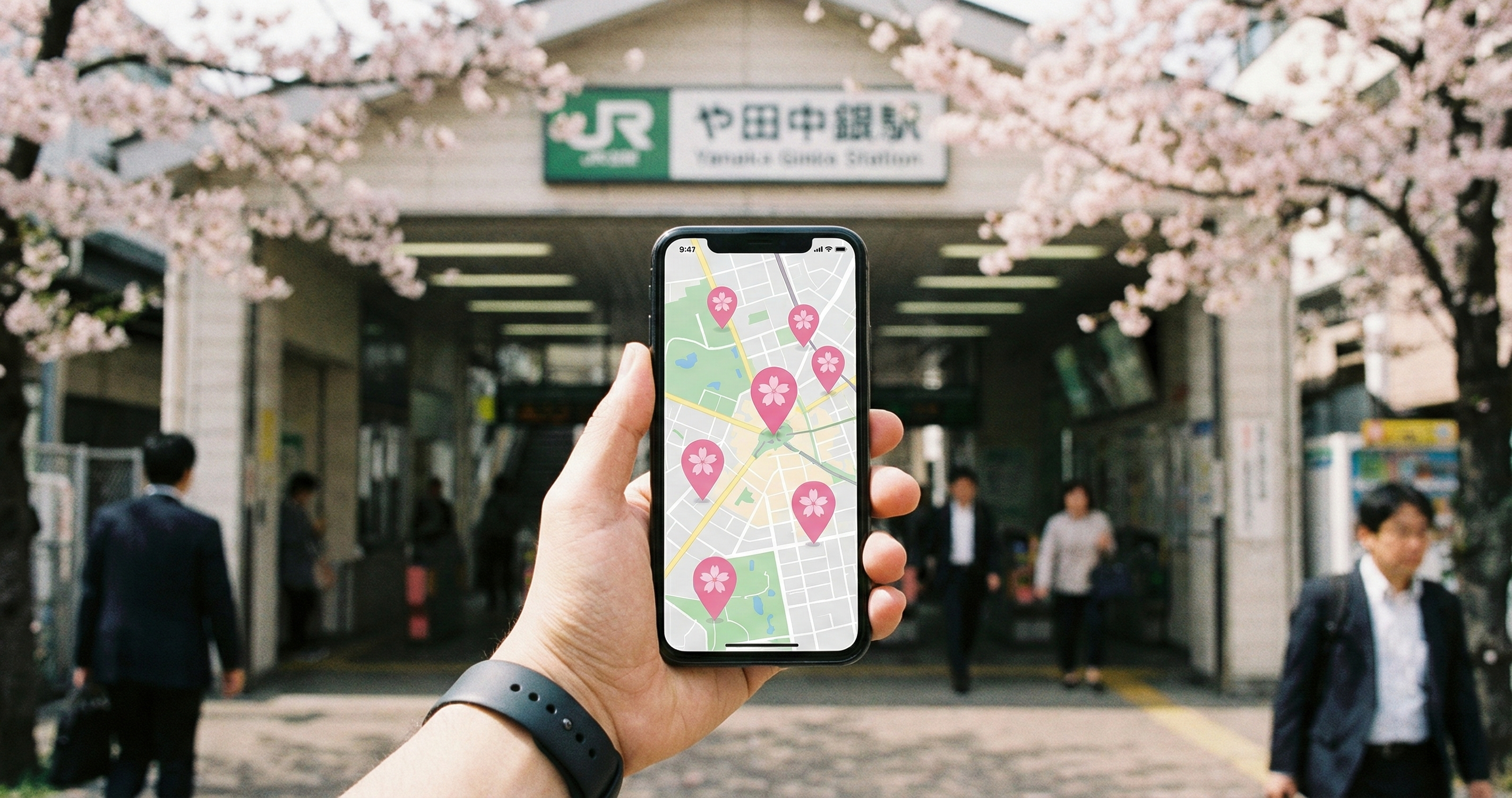
- Download offline Google Maps for each location before traveling to navigate crowded stations during peak season
- Bring picnic supplies for outdoor hanami or reserve restaurant terraces with sakura views 2-3 weeks ahead
- Have 2-3 backup locations planned in case your first choice is past peak or overcrowded
Introduction
Tokyo transforms each spring when cherry blossoms blanket the city's parks, riversides, and temple grounds in soft pink clouds. With dozens of viewing locations scattered across the metropolis, choosing where to spend your limited hanami time requires understanding each spot's unique characteristics—crowd levels, accessibility, viewing style, and whether night illuminations are offered.
This guide covers Tokyo's most rewarding cherry blossom destinations, from iconic parks that define the city's sakura culture to quieter neighborhood spots locals favor. You'll learn optimal visiting times to avoid peak crowding, how to verify bloom status and illumination schedules for your specific travel dates, and which locations suit different viewing preferences—whether you want expansive picnic grounds, romantic riverside strolls, or dramatic nighttime photography opportunities. Bloom timing shifts annually, so we'll also explain how to stay flexible and make real-time location decisions as the season unfolds.
Understanding Tokyo's Cherry Blossom Geography & Timing
Tokyo's cherry blossoms don't all bloom simultaneously across the city. Microclimates created by elevation, proximity to water, and urban heat island effects mean different neighborhoods peak on slightly different days. Understanding this geographical variation helps you maximize viewing opportunities if you're in Tokyo for a full week, or find blooming areas if your visit is shorter.
Typical bloom progression within Tokyo: Central areas with urban heat (Shinjuku, Shibuya) and riverside low-elevation spots (Sumida River, Meguro River) tend to bloom 1-3 days earlier than elevated parks (Rikugien Garden) or suburban western areas (Inokashira Park). However, the Japan Meteorological Agency designates Yasukuni Shrine near Kudanshita Station as Tokyo's official "sample tree" site—when this location reaches full bloom, it's declared across all Tokyo forecasts despite local variations.
Checking current bloom status: The Tokyo Metropolitan Government's tourism website publishes weekly updates during season, and japan-guide.com provides detailed Tokyo neighborhood reports starting in mid-March. Rather than relying on dates predicted months in advance, check these sources 3-5 days before visiting each location. Some spots may bloom while others are still budding, giving you options to chase the peak across different neighborhoods.
Weather's impact on timing and duration: Full bloom typically lasts 5-7 days under ideal conditions (mild temperatures, no rain or wind). A warm spell can compress this to 3-4 days; rain or strong winds knock petals down faster. After peak, the "sakura carpet" phase where fallen petals cover paths and float in water creates beautiful photography opportunities—this lasts 2-3 days after peak if weather cooperates.
Local insider tips: Tokyo natives often track bloom progression starting in Kamakura (blooms 2-3 days before central Tokyo), using it as an early warning system. If you're flexible, monitor Sumida Park and Meguro River as early bloomers; if they've peaked when you arrive, head to elevated gardens like Rikugien or Koishikawa Korakuen which bloom 2-4 days later. This geographical knowledge extends your potential viewing window beyond what single-location forecasts suggest.
Common mistakes visitors make: Booking a rigid 2-day Tokyo itinerary around bloom dates predicted in January (too far in advance for accuracy). Not checking bloom reports during their trip—conditions can change while you're exploring other cities. Assuming all "Tokyo" spots bloom the same day when local variations span nearly a week. Visiting only one location instead of having backups when timing is uncertain.
Mini recap: Tokyo's cherry blossoms progress geographically based on elevation and urban heat, not uniformly citywide. Monitor weekly updates from mid-March and maintain location flexibility to catch peak blooms. Use early-blooming riverside spots as indicators for planning visits to later-blooming elevated gardens.
Top Central Tokyo Viewing Spots: Parks & Public Spaces
Ueno Park remains Tokyo's most iconic cherry blossom destination with approximately 1,000 trees creating a pink canopy over the park's main pathways. The park's central location (5 minutes from Ueno Station on the JR Yamanote Line) and free entry make it accessible, but expect significant crowds during weekends and peak bloom—arrive before 8am for comfortable viewing space or visit on weekday mornings.
Shinjuku Gyoen offers a more curated experience across its 58 hectares combining Japanese, English, and French garden styles. The park requires an admission fee (verify current price on their official website before visiting), which moderates crowd levels compared to free parks. Shinjuku Gyoen features approximately 1,000 cherry trees of multiple varieties, extending the season by 1-2 weeks as different types bloom sequentially. The park prohibits alcohol and sports activities, making it ideal for photography and quiet contemplation rather than traditional hanami parties. Access via Shinjuku-gyoenmae Station (Tokyo Metro Marunouchi Line) or 10-minute walk from Shinjuku Station.
Yoyogi Park provides spacious lawn areas perfect for hanami picnics with friends or family. Located adjacent to Harajuku (JR Yamanote Line), the park attracts younger crowds and has a more casual, festival-like atmosphere during peak bloom weekends. Approximately 700 cherry trees line the main paths and surrounding lawn areas. The park is free and allows food and drinks, making it popular for group gatherings—plan to arrive early on weekends as good picnic spots fill by 10am.
Hibiya Park offers convenient downtown viewing just steps from the Imperial Palace and Ginza shopping district. This smaller park (approximately 16 hectares) features 40+ cherry trees and connects easily to multi-destination Tokyo itineraries. It's less crowded than Ueno or Yoyogi, making it a good option when you want cherry blossom viewing combined with Ginza exploration on the same day.
Access and timing considerations: All these parks are accessible within 30 minutes from Tokyo Station. Check each park's official website for current operating hours—many extend hours during sakura season but close times vary. Ueno and Yoyogi close at dusk unless special events are scheduled. Shinjuku Gyoen has posted closing times year-round; verify these before visiting to avoid being surprised by locked gates.
Local expert perspective: Tokyo residents often choose between Ueno for traditional hanami party atmosphere (bring tarps, food, drinks) versus Shinjuku Gyoen for photography and peaceful walking. Yoyogi serves the middle ground—picnic-friendly but less intense than Ueno's peak weekend scene. First-time visitors often prefer starting at Shinjuku Gyoen for manageable crowds and diverse tree varieties, then experiencing Ueno's energetic atmosphere on a weekday morning.
Common visitor errors: Bringing alcohol to Shinjuku Gyoen (prohibited and enforced). Expecting to find picnic space at Ueno on weekend afternoons during peak bloom (arrives hours too late). Not verifying park closing times before planning sunset photography. Attempting to visit multiple central parks in one day during peak bloom when each location deserves 2-3 hours minimum for proper enjoyment.
Mini recap: Central Tokyo parks offer varying experiences from Ueno's traditional hanami parties to Shinjuku Gyoen's curated gardens. Choose based on crowd tolerance and viewing style preference. Verify current hours and admission fees on official websites before visiting, and plan for weekday mornings to avoid peak crowds.
Riverside & Canal Cherry Blossom Walks
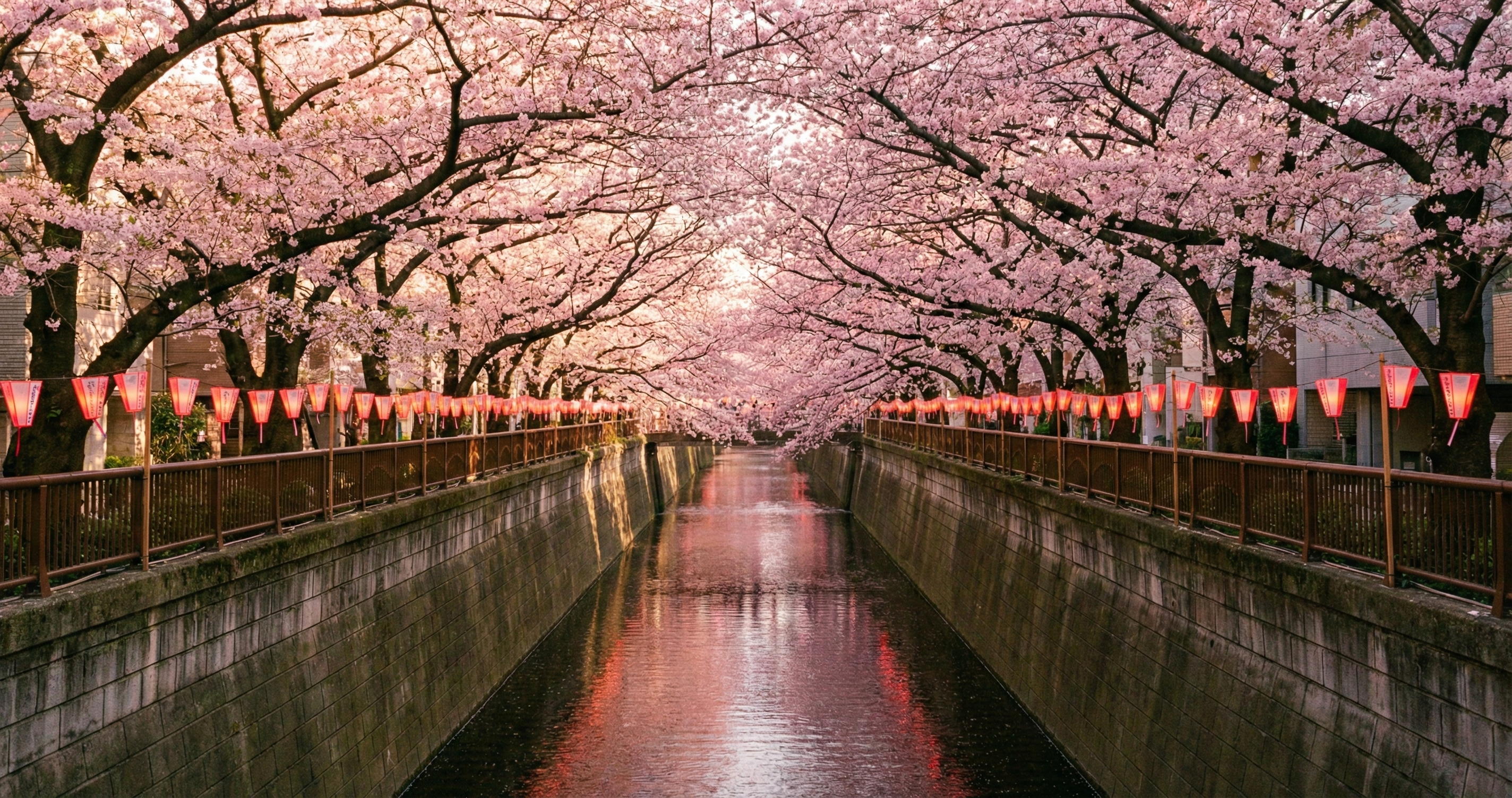
Meguro River creates one of Tokyo's most photogenic cherry blossom tunnels with approximately 800 trees lining both banks for nearly 4 kilometers between Ikejiri-Ohashi and Meguro stations. The narrow canal becomes packed during peak bloom weekends as visitors walk beneath the flowering canopy, with illuminations transforming the scene after dark. Evening illumination schedules vary annually—check Meguro Ward's official tourism page 1-2 weeks before the season for current year details.
The riverside path accommodates foot traffic but not stopping during peak times. Plan to walk the full length (about 45-60 minutes at a leisurely pace with photo stops) rather than trying to claim a stationary viewing spot. Weekday early mornings (before 9am) or late evenings after 8pm offer less crowded experiences. Access via Naka-Meguro Station (Tokyu Toyoko Line, Tokyo Metro Hibiya Line) for the most scenic section.
Chidorigafuchi represents Tokyo's most dramatic waterside viewing along the Imperial Palace moat. Approximately 260 cherry trees line the 700-meter stone embankment, with weeping varieties extending branches over the water. This location offers boat rentals during sakura season (verify current pricing and hours on Chiyoda Ward's website), allowing unique water-level viewing perspectives. Evening illuminations here are particularly striking with trees reflected in the moat water.
Sumida River Park provides extensive riverbank cherry blossom viewing from Asakusa through Mukojima with approximately 600 trees. This location blooms slightly earlier than central Tokyo due to riverside microclimate effects. The area is less crowded than Meguro River while offering equally beautiful views, particularly from the Sakurabashi Bridge area. Access via Asakusa Station (multiple lines) or Oshiage Station (Tokyo Skytree area).
Navigation during peak season: These riverside locations attract such heavy foot traffic during peak bloom that normal walking speed becomes difficult. The Meguro River particularly experiences shoulder-to-shoulder crowding on weekend afternoons—if you're uncomfortable in dense crowds, visit on weekdays or choose Sumida River as a less intense alternative. Download offline maps before visiting as cell service can be unreliable in crowds.
Photography opportunities and timing: Riverside locations offer natural leading lines and water reflections that enhance composition. For best light, visit Meguro River and Chidorigafuchi in late afternoon (3-5pm) when sunlight filters through petals creating pink glow. Night photography requires tripod for illumination scenes, though crowds make this challenging—arrive early evening (just after lights turn on) for the best positioning before peak crowd arrival.
Local recommendations: Tokyo photographers favor Chidorigafuchi for traditional Japanese aesthetic with stone walls and moat. Meguro River suits social media content with modern tunnel effect and festival atmosphere. Sumida River works well for travelers wanting authentic local experience without tourist crowds—the area maintains neighborhood character even during season.
Mistakes to avoid: Attempting to walk Meguro River against crowd flow direction during peak hours (creates frustration for everyone). Expecting to use boat rentals at Chidorigafuchi without advance planning during peak bloom (they fill quickly on nice weather days). Bringing large backpacks or suitcases to Meguro River walkways during crowded times (no storage, difficult to navigate). Not checking illumination schedules before evening visits (some nights are unlit).
Mini recap: Riverside cherry blossom locations offer linear walking experiences rather than park picnicking. Visit during off-peak hours (early morning, weekday evenings) to avoid dense crowds. Verify illumination schedules annually on official ward tourism websites. Choose Meguro River for energetic atmosphere, Chidorigafuchi for dramatic scenery, or Sumida River for local authenticity.
Night Illuminations: Yozakura Viewing Guide
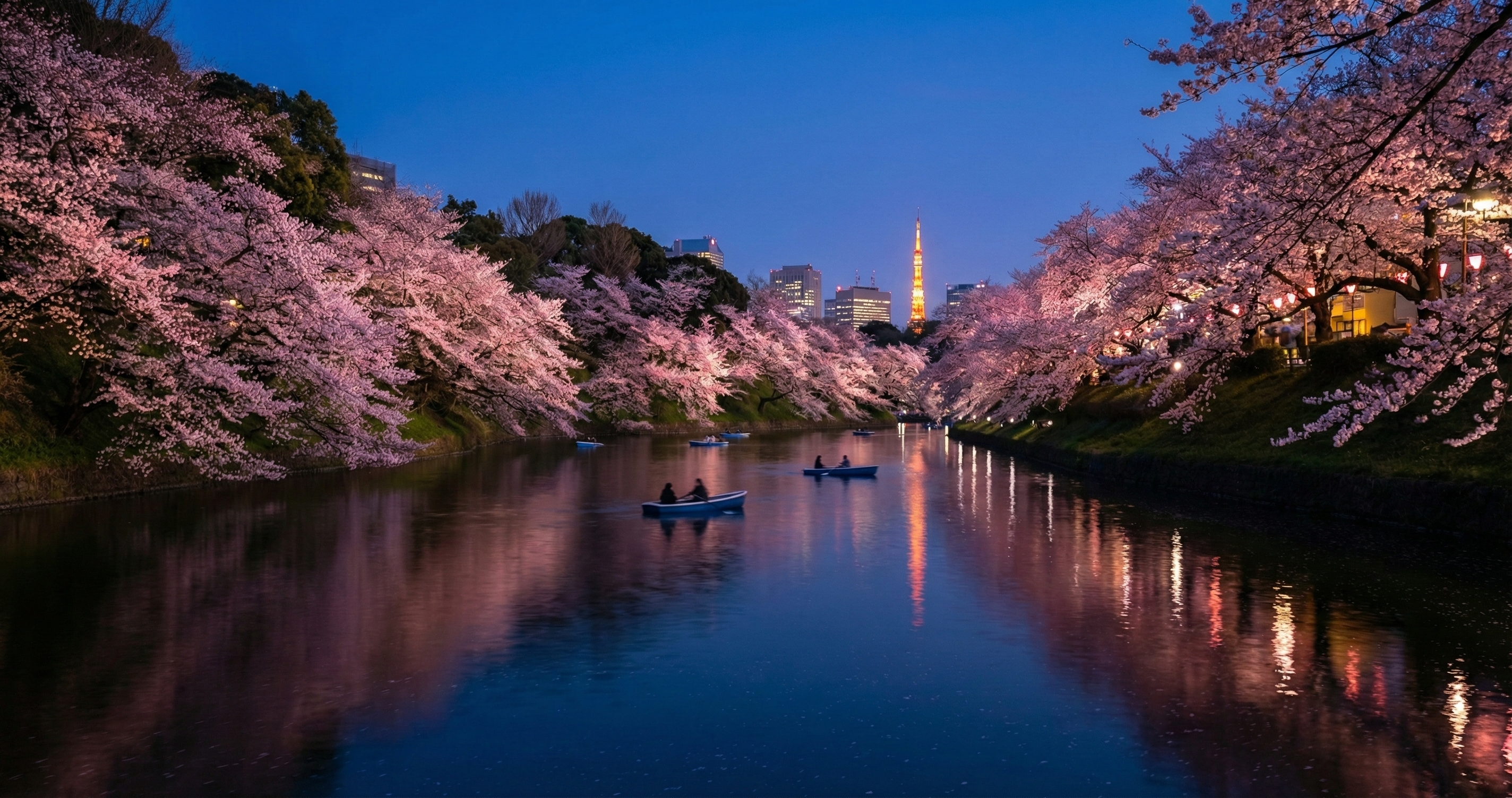
Night cherry blossom viewing (yozakura) creates entirely different atmospheric experiences through strategic lighting that emphasizes petal shapes and creates ethereal pink glows against dark skies. Multiple Tokyo locations offer illuminations, but schedules, lighting quality, and crowd management vary significantly—understanding these differences helps you choose the right yozakura destination.
Top Illuminated Locations
| Location | Illumination Quality | Typical Duration | Access | Crowd Level |
|---|---|---|---|---|
| Chidorigafuchi | Dramatic moat reflections | 7-10 days during peak | Kudanshita Stn | Very High |
| Meguro River | Long tunnel effect | 7-14 days | Naka-Meguro Stn | Extremely High |
| Rikugien Garden | Professional landscape lighting | 7-10 days, timed entry | Komagome Stn | High (controlled) |
| Ueno Park | Informal/lantern style | Variable by area | Ueno Stn | Very High |
| Tokyo Midtown | Modern architectural blend | 14+ days | Roppongi Stn | Moderate |
Verification process for current year schedules: Illumination dates and times are typically announced 1-2 weeks before cherry blossom season begins. Check each location's official website or the Tokyo Metropolitan Government tourism page for "sakura illumination schedule" announcements in mid-to-late March. Do not rely on previous years' dates as these shift with actual bloom timing.
Rikugien Garden offers the most controlled yozakura experience with timed entry tickets (often required during peak illumination period) that limit crowd size. The garden's professional lighting design highlights specific trees and creates dramatic scenes across the pond. Check their official website starting in early March for ticket reservation information and current illumination dates—these often sell out for weekend slots.
Meguro River's illuminations attract such massive crowds that walking speed slows to a shuffle during peak times. The pink-lit cherry tunnel effect is Instagram-famous, which explains the crowds but also means authentic photography requires arriving very early in the illumination period (lights typically turn on around 6-7pm) before peak visitor surge at 7-8pm.
Street food and atmosphere: Some illumination sites (Meguro River, Ueno Park) feature street vendor setups during peak season selling traditional festival foods, drinks, and sakura-themed items. Others (Rikugien Garden, Chidorigafuchi moat area) maintain quieter atmospheres without commercial activity. Choose based on whether you want festival energy or contemplative viewing.
Photography considerations for night viewing: Most illuminated scenes require higher ISO settings (1600-3200) and slower shutter speeds than daytime cherry blossom photography. Crowds make tripod use difficult at popular locations. Modern smartphone cameras handle these conditions reasonably well—enable night mode and use AI scene detection for better results. The best time for photos is the "blue hour" (20-30 minutes after sunset) when ambient light balances with illumination rather than full darkness.
Local expert approach: Tokyo photographers often visit illuminated locations twice—once during the first 2-3 nights of illumination season when crowds are lighter (many tourists haven't arrived yet), and again if weather or bloom conditions improve later. They avoid weekend evenings entirely, focusing on weekday illuminations for manageable crowd levels.
Common yozakura mistakes: Assuming illuminations run every night through the entire season (most operate 7-14 day windows during peak bloom only). Not checking weather forecasts before evening trips (rain cancels plans and ruins photography). Wearing uncomfortable shoes for standing/walking in crowds for 1-2 hours. Skipping dinner before illumination viewing then discovering limited food options or long vendor lines.
Mini recap: Night illuminations (yozakura) operate on limited schedules announced 1-2 weeks before season. Verify current year dates on official websites rather than assuming consistency. Choose between festival-atmosphere locations (Meguro River) versus controlled premium experiences (Rikugien Garden). Visit weekdays for better crowd management and bring weather-appropriate gear.
Lesser-Known Gems & Local Favorites
Beyond the famous cherry blossom destinations, Tokyo offers numerous neighborhood spots where locals enjoy hanami without tourist crowds. These locations provide authentic experiences and serve as excellent backup options when major sites are overcrowded or past peak bloom.
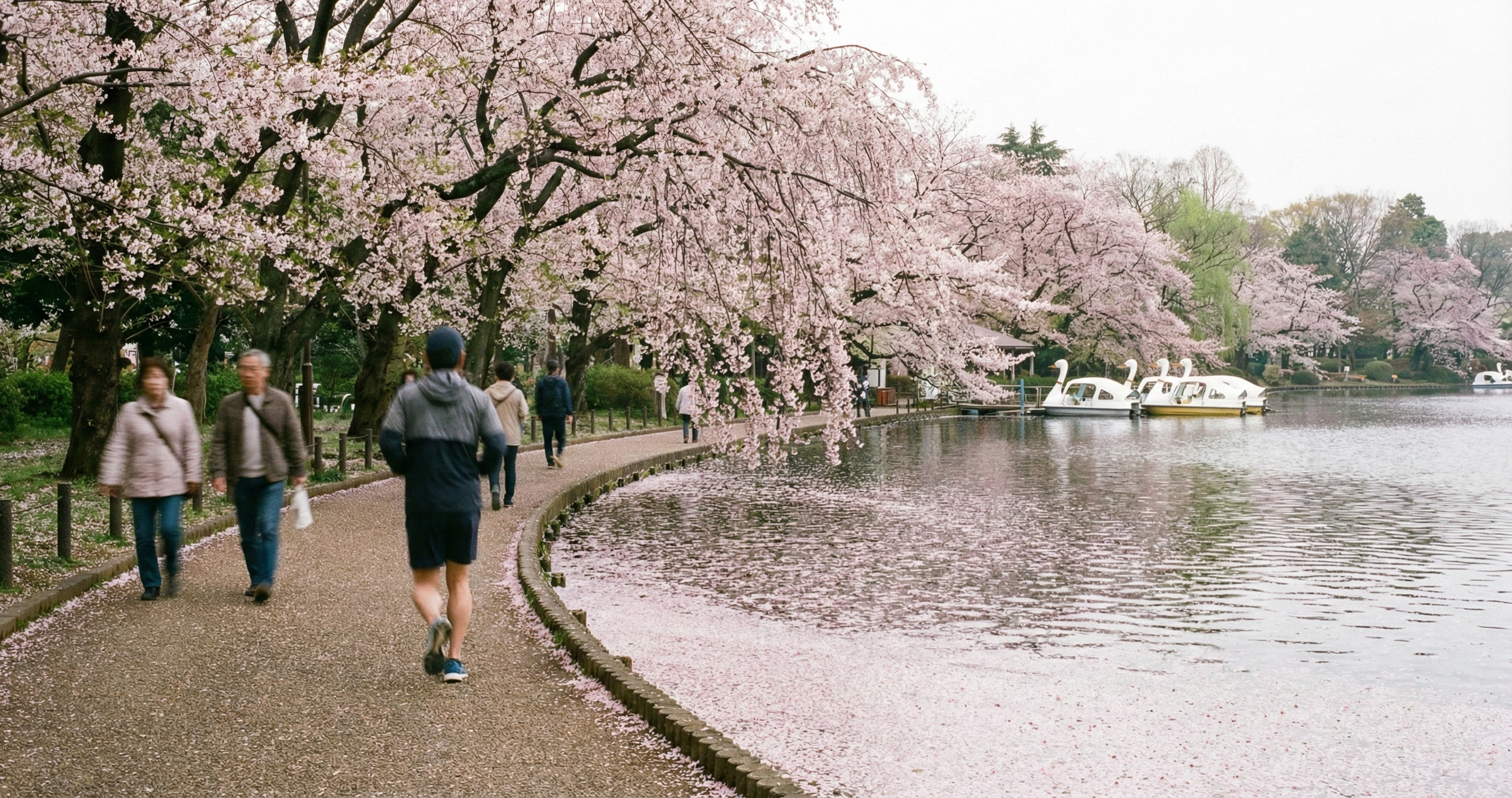
Inokashira Park in Kichijoji features approximately 500 cherry trees around a central pond with swan boat rentals during season. Located in western Tokyo (Chuo Line from Shinjuku, 15 minutes), this park attracts primarily local residents and has a relaxed neighborhood atmosphere. The pond's cherry tree reflections rival more famous locations, and the surrounding Kichijoji area offers excellent post-hanami dining and shopping.
Koishikawa Korakuen Garden provides historical viewing context as one of Tokyo's oldest gardens (early Edo period). The approximately 30 cherry trees here are complemented by early-blooming plum trees and traditional landscape architecture. This smaller garden (7 hectares) sees fewer visitors than Shinjuku Gyoen while offering equally refined experiences. Access via Iidabashi or Korakuen stations; admission fee applies (verify current price on their website).
Gotenyama Hills along the Meguro River (upstream from the famous Naka-Meguro section) offers quieter riverside viewing with local cafes and restaurants overlooking cherry-lined slopes. This residential area between Gotanda and Meguro stations maintains neighborhood character while providing excellent viewing. Many locals consider this section superior to the tourist-heavy Naka-Meguro area despite having fewer trees.
Asukayama Park in northern Tokyo (accessible via Oji Station on the JR Keihin-Tohoku Line) features approximately 600 cherry trees and has been a hanami destination since the Edo period. The elevated park provides views over northern Tokyo and attracts primarily local families. A small free monorail carries visitors up the hillside (verify operation before visiting).
Strategic advantages of lesser-known locations: These spots typically bloom on the same schedule as famous parks but with fraction of the crowds. You can arrive mid-morning rather than pre-dawn and still find good viewing positions. Photography is easier without constant people traffic through your frame. Local food options are often better value than tourist-area prices, and you experience more authentic neighborhood character.
When to choose local spots over famous ones: If you're uncomfortable in dense crowds, have mobility limitations, are traveling with young children who need space to move, or are visiting Tokyo for an extended period and want variety beyond the standard tourist circuit. These locations also work well as same-day alternatives when you check bloom forecasts and discover your planned famous spot is past peak but a lesser-known location is still blooming.
Combining multiple lesser-known spots: Consider a western Tokyo route combining Inokashira Park, nearby Zenpukuji Park, and the Kanda River cherry blossom path in a single day—all accessible via Chuo Line and offering 4-6 hours of varied viewing across different settings.
Common misconceptions: Assuming lesser-known automatically means inferior viewing (often untrue—just less crowded). Believing these locations require difficult access (most are on major train lines). Thinking locals don't share their favorite spots (they do, just not as heavily promoted to international tourists).
Mini recap: Tokyo's lesser-known cherry blossom spots offer authentic local experiences with significantly smaller crowds. Choose these locations when you prioritize peaceful viewing over Instagram-famous scenes, or as backup options when forecasts indicate different bloom timing across the city.
Gappy Helps You Navigate Real-Time Changes
Cherry blossom viewing in Tokyo requires real-time decision-making as bloom forecasts shift, crowds surge unpredictably, and weather conditions change daily. Planning which location to visit each morning based on current bloom status, crowd reports, and illumination schedules is challenging when you're navigating an unfamiliar city.
Gappy's AI concierge provides location-specific cherry blossom guidance based on your current position, available time, and preferences for crowd levels or viewing style. Ask "Where are cherry blossoms at peak near Shibuya right now?" or "Which illuminated spots have manageable crowds tonight?" to get recommendations grounded in real-time conditions rather than static guides.
Find your ideal Tokyo cherry blossom spot with Gappy
Next Steps: Plan Your 2026 Sakura Journey
Monitor bloom forecasts starting mid-March. Bookmark japan-guide.com's Tokyo sakura page and the Tokyo Metropolitan Government tourism site. Set weekly check-in reminders, increasing to daily checks once first blooms are announced in late March.
Plan flexible location sequences. Rather than locking specific spots to specific dates, create tier lists: "must-see" locations if timing is perfect, "backup" spots if your first choices are past peak, and "night illumination" priorities with weekday evening slots marked. Download offline maps for all locations before your trip.
Book strategic accommodations and reservations. Stay in central Tokyo (Shinjuku, Shibuya, or along the Yamanote Line) for easy access to multiple cherry blossom locations. If you want yozakura dinner with sakura views, reserve restaurant terraces 2-3 weeks ahead during peak season—these fill quickly.
Create your Tokyo sakura route with real-time updates
Frequently Asked Questions
Where can I see cherry blossoms in Tokyo?
Tokyo offers cherry blossom viewing across dozens of parks, riversides, and gardens. Top locations include Ueno Park (1,000 trees, free entry, central access), Meguro River (800 trees lining 4km riverside walk), Shinjuku Gyoen (1,000 trees, multiple varieties, admission required), Yoyogi Park (700 trees, picnic-friendly), and Chidorigafuchi (Imperial Palace moat with boat rentals). Each location offers different viewing experiences from traditional hanami parties to romantic riverside strolls. Verify current operating hours and any reservation requirements on each venue's official website before visiting.
When do cherry blossoms bloom in Tokyo?
Tokyo's cherry blossoms typically reach full bloom in late March to early April, with specific timing varying 5-7 days year-to-year based on winter and spring temperatures. The Japan Meteorological Agency releases official bloom forecasts starting in mid-January, updating weekly through the season. Full bloom usually occurs 7-10 days after first bloom is declared. Check japan-guide.com or the Tokyo Metropolitan Government tourism site for current year predictions and real-time updates as the season approaches, rather than relying on previous years' dates.
What is the best park for cherry blossoms in Tokyo?
The "best" park depends on your priorities. Shinjuku Gyoen offers the most refined experience with curated gardens and multiple cherry varieties, though it requires admission. Ueno Park provides the most traditional hanami party atmosphere with extensive tree coverage and free entry but attracts the largest crowds. Meguro River creates the most photogenic cherry tunnel effect and night illuminations but becomes extremely crowded during peak bloom. For first-time visitors seeking balanced experiences, Shinjuku Gyoen on weekdays or Sumida River Park offer quality viewing with more manageable crowd levels.
Are there night cherry blossom viewings in Tokyo?
Yes, multiple Tokyo locations offer illuminated night cherry blossom viewing (yozakura) during the season. Chidorigafuchi, Meguro River, Rikugien Garden, and Ueno Park provide the most dramatic illuminations, though schedules vary annually. Illumination dates are typically announced 1-2 weeks before cherry blossom season begins—check each location's official website in mid-to-late March for current year schedules. Most illuminations operate 7-14 days during peak bloom rather than the entire season. Rikugien Garden often requires timed-entry tickets for illumination viewing which should be reserved in advance.
How crowded are Tokyo cherry blossom spots during peak bloom?
Major locations like Ueno Park, Meguro River, and Chidorigafuchi become extremely crowded during peak bloom weekends, with shoulder-to-shoulder conditions making photography difficult and walking slow. Weekday mornings (arriving before 9am) offer significantly better crowd management. Paid gardens like Shinjuku Gyoen moderate crowds through admission fees. Lesser-known spots (Inokashira Park, Asukayama Park, Gotenyama area) provide substantially smaller crowds with comparable viewing quality. Weather also affects crowd levels—rainy days see 50-70% fewer visitors even during peak bloom periods.
Do I need tickets for Shinjuku Gyoen cherry blossoms?
Yes, Shinjuku Gyoen charges an admission fee year-round as it's a managed national garden, not a public park. Current pricing information is available on their official website and should be verified before your visit as fees may adjust annually. During extreme peak bloom periods, the garden may implement timed entry or advance reservations to manage crowd levels, though this is announced separately from standard admission. Most other Tokyo cherry blossom locations (Ueno Park, Yoyogi Park, Meguro River, Sumida Park) offer free public access without tickets.
What's the difference between hanami and yozakura?
Hanami (花見, literally "flower viewing") refers broadly to cherry blossom viewing activities, typically during daylight hours, often involving outdoor picnics, socializing, and traditional celebrations under blooming trees. Yozakura (夜桜, literally "night cherry blossoms") specifically describes evening or nighttime cherry blossom viewing, usually at illuminated locations where special lighting creates dramatic atmospheric effects. Both are traditional Japanese sakura season activities, but yozakura requires locations with illumination infrastructure and operates on more limited schedules (typically 7-14 days during peak bloom versus hanami's multi-week season).
Related Experiences
Tokyo Night Photography Tour: Cherry Blossom Illuminations
Guided evening experience covering Chidorigafuchi and Meguro River illuminations with professional photography instruction for capturing yozakura scenes.
Traditional Hanami Party Experience in Ueno Park
Join local hosts for authentic outdoor hanami with traditional Japanese picnic foods, drinks, and cultural explanation of cherry blossom viewing customs.
Western Tokyo Cherry Blossom Cycling Route
Guided bicycle tour connecting Inokashira Park, Zenpukuji River, and Kanda River cherry blossom viewing spots away from tourist crowds.
Learn More About Tokyo Cherry Blossoms
- Japan Cherry Blossom Forecast 2026: When & Where to Go - Comprehensive national forecast guide covering regional bloom timing, forecast interpretation, and planning strategies for multi-city sakura trips.
Tags
Written by