

Japan Cherry Blossom Forecast 2026: When & Where to Go
Gappy Travel Team
Japan Cherry Blossom Forecast 2026: When & Where to Go
Quick Summary
TL;DR:
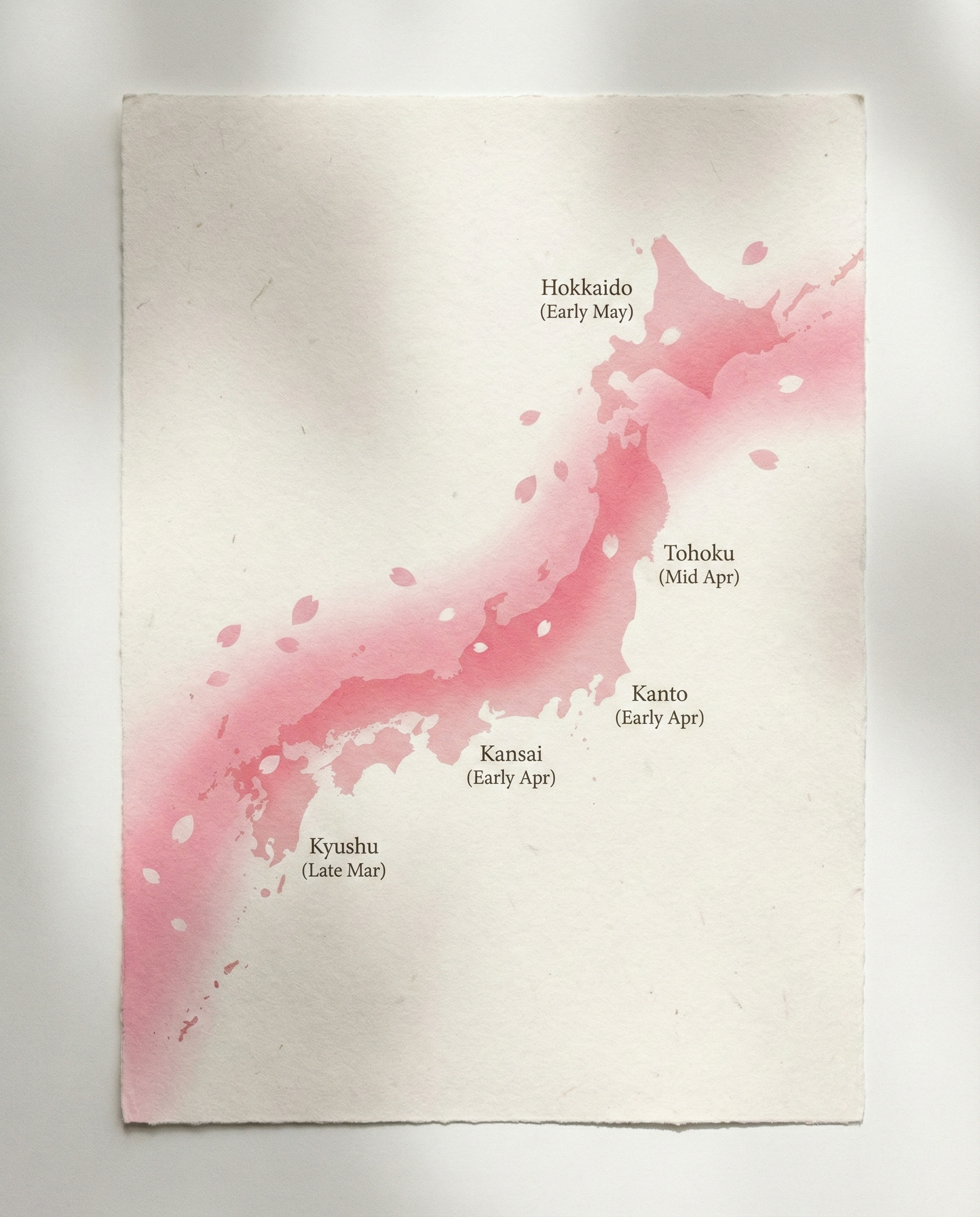
- Cherry blossom season in Japan typically runs late March through early May, moving north from Kyushu to Hokkaido
- Official forecasts from the Japan Meteorological Agency are released starting mid-January, with weekly updates through April
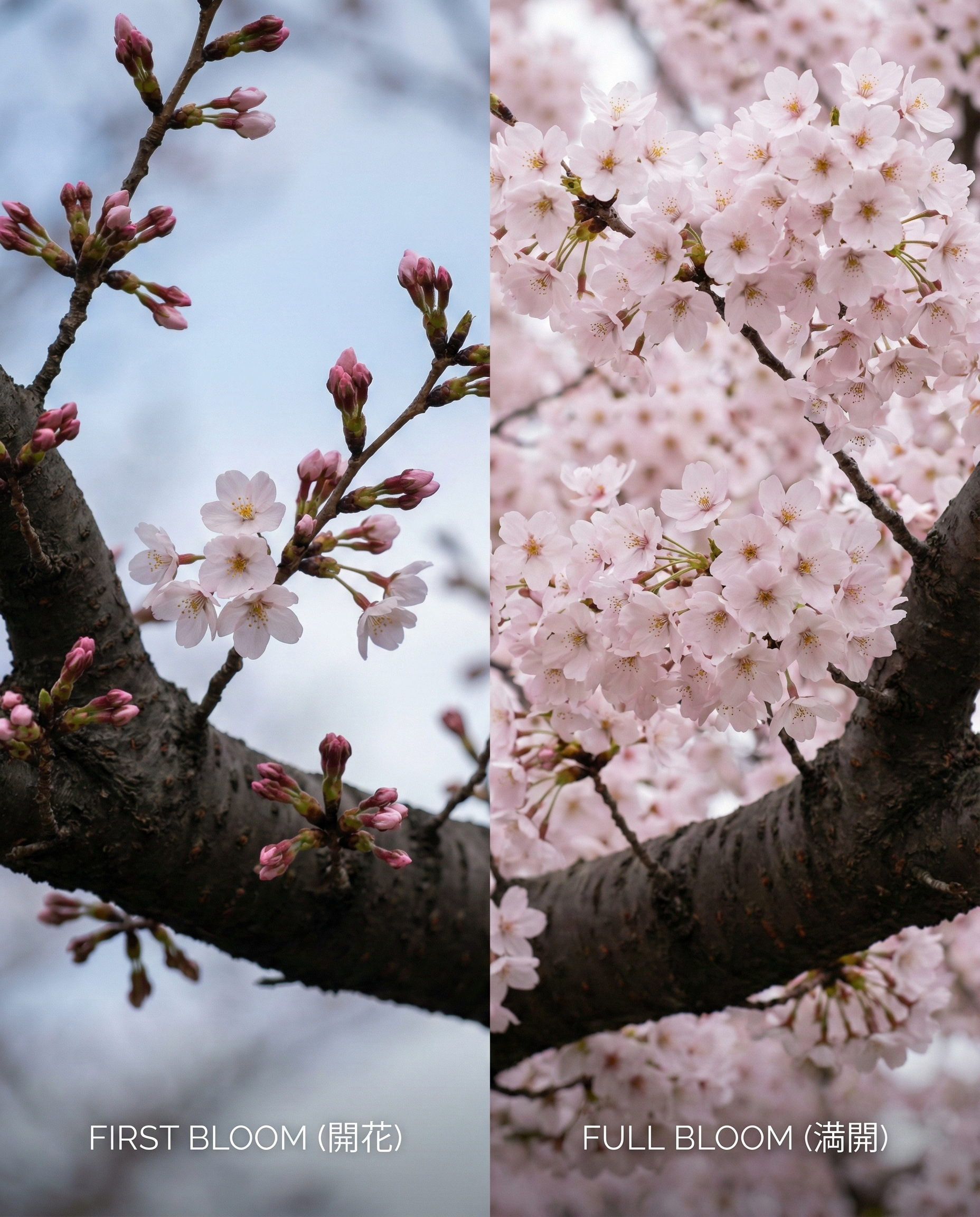
- "First Bloom" marks when 5-6 flowers open on sample trees; "Full Bloom" (7-10 days later) is peak viewing time
Quick Checklist:
- Check official forecasts in January 2026 from JMA or japan-guide.com for latest predictions
- Book accommodations 3-4 months ahead for popular areas like Kyoto and Tokyo
- Plan for 7-10 day window between first bloom and full bloom in each region
- Consider backup locations if forecasts shift unexpectedly
- Download Gappy to adjust plans in real-time based on updated bloom reports
- Understand regional progression: southern Japan blooms first, northern areas 4-6 weeks later
- Monitor weather patterns in February-March as temperatures directly affect bloom timing
Introduction
Japan's cherry blossom season draws millions of visitors annually, but timing your trip requires understanding how sakura forecasts work. Unlike fixed cultural events, cherry blossom blooming depends on winter temperatures, spring warmth, and regional climate patterns that vary each year. The 2026 season will follow Japan's typical south-to-north progression, with Kyushu and southern Honshu seeing first blooms in late March, Tokyo and Kyoto peaking in early April, and Hokkaido closing out the season in early May. However, these patterns can shift by 1-2 weeks based on weather conditions.
This guide explains how to interpret official forecasts, what "First Bloom" versus "Full Bloom" means for your planning, and which regions align with your travel dates. We'll also cover backup strategies when forecasts change unexpectedly—a common occurrence that catches many first-time visitors off guard.
How Cherry Blossom Forecasts Work in Japan
Official forecast organizations release predictions starting in mid-January each year. The Japan Meteorological Agency (JMA) and private weather companies like Weathernews publish weekly updates as the season approaches. These aren't guesses—they're based on accumulated chilling hours in winter, current temperature data, and historical bloom patterns for each observation site.
Understanding the terminology matters. "First Bloom" (開花, kaika) is declared when 5-6 flowers open on designated sample trees in each city. This isn't prime viewing time. "Full Bloom" (満開, mankai) occurs 7-10 days later when 80% of blossoms are open—this is what you want to experience. Most visitors make the mistake of booking trips around first bloom dates instead of adding that crucial week.
Forecasts evolve constantly. Early January predictions can shift by 5-7 days as actual weather patterns emerge. A warmer-than-expected February accelerates blooms; a cold snap in March delays them. Check forecasts weekly from February onward rather than relying on predictions made months earlier. The official JMA forecast page and japan-guide.com's sakura update page provide the most reliable information.
Common mistakes to avoid: Don't assume the same dates as previous years. 2025's bloom dates won't predict 2026. Don't book rigid itineraries around early forecasts—build flexibility into your trip. Don't ignore regional variation—Tokyo and Osaka can be a week apart despite being only 400km distant.
Mini recap: Forecasts start in January and update weekly. Focus on "Full Bloom" dates, not "First Bloom." Build flexibility since predictions shift as weather patterns develop.
Regional Breakdown: South to North Progression
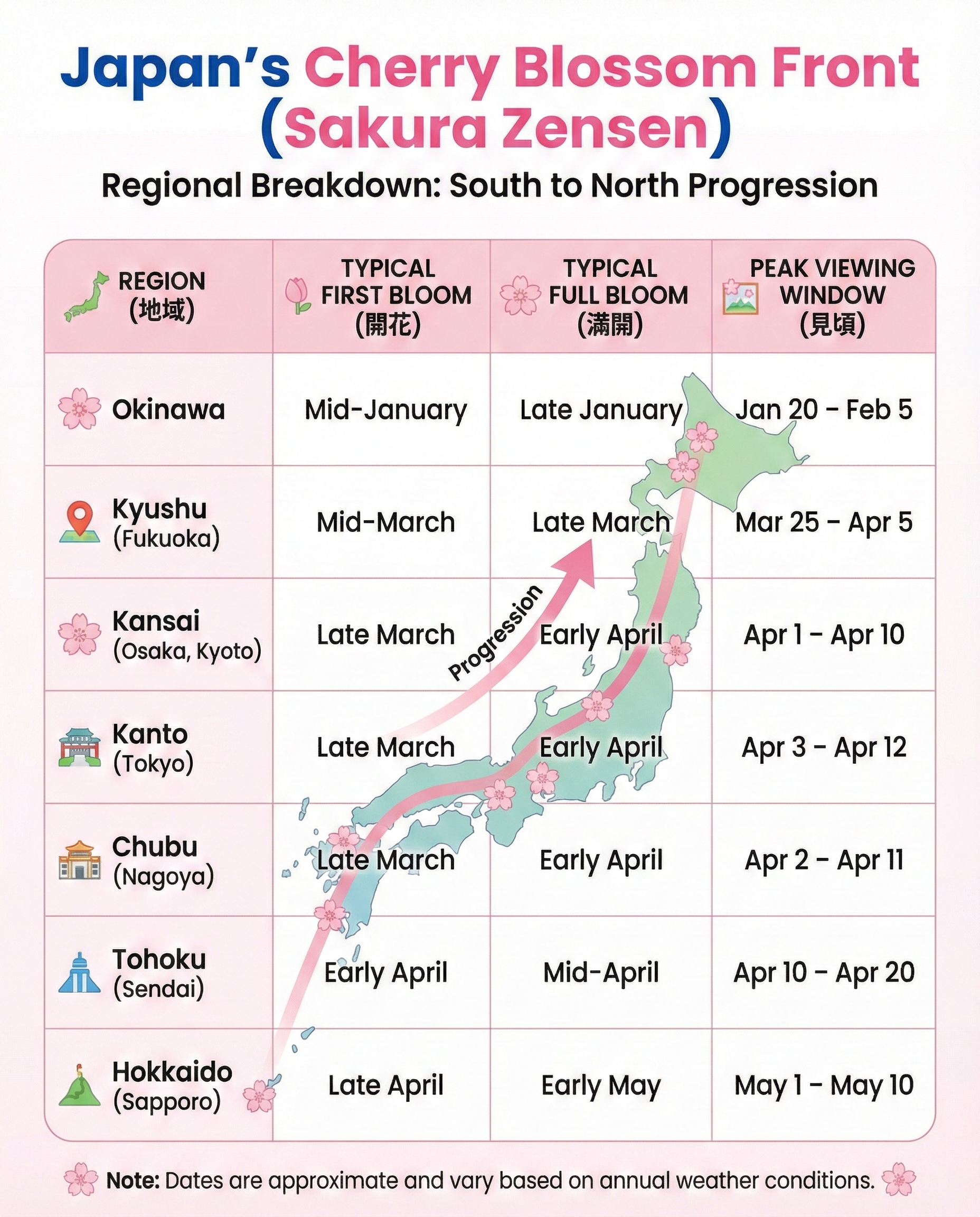
Japan's cherry blossom front (桜前線, sakura zensen) moves predictably northward as temperatures warm. Understanding this geographical progression helps you match your travel dates to the best viewing regions.
| Region | Typical First Bloom | Typical Full Bloom | Peak Viewing Window |
|---|---|---|---|
| Okinawa | Mid-January | Late January | Jan 20 – Feb 5 |
| Kyushu (Fukuoka) | Mid-March | Late March | Mar 25 – Apr 5 |
| Kansai (Osaka, Kyoto) | Late March | Early April | Apr 1 – Apr 10 |
| Kanto (Tokyo) | Late March | Early April | Apr 3 – Apr 12 |
| Chubu (Nagoya) | Late March | Early April | Apr 2 – Apr 11 |
| Tohoku (Sendai) | Early April | Mid-April | Apr 10 – Apr 20 |
| Hokkaido (Sapporo) | Late April | Early May | May 1 – May 10 |
Southern regions start the season. Fukuoka and Kumamoto in Kyushu typically see first blooms around March 18-22, with full bloom by March 26-30. These cities are less crowded than Kyoto or Tokyo but offer excellent urban sakura viewing at Maizuru Park and Kumamoto Castle.
Kansai and Kanto overlap but differ. Kyoto and Tokyo usually bloom within 2-3 days of each other, but Osaka runs 2-4 days earlier due to urban heat island effects. If you're visiting both regions, plan Osaka first, then Kyoto, then Tokyo to follow the bloom progression.
Northern regions extend your options. If you miss the Kansai/Kanto peak, Tohoku and Hokkaido offer a second chance. Hirosaki Castle in Aomori (late April) and Hakodate in Hokkaido (early May) provide spectacular viewing when central Japan's season is over. These regions also have fewer international tourists.
Local tips: Mountain and rural areas bloom 1-2 weeks later than nearby cities at the same latitude. If Tokyo's blooms have fallen, check forecast maps for higher elevations in Chichibu or Hakone. Coastal areas along the Sea of Japan (Kanazawa, Niigata) bloom 3-7 days later than Pacific coast cities at similar latitudes.
Common mistakes: Assuming all of Japan blooms simultaneously. Booking a week in Tokyo when blooms are predicted in Kyushu. Not considering altitude—Mt. Yoshino's upper slopes bloom 2 weeks after lower areas despite being in the same location.
Mini recap: Plan your route to follow the bloom front geographically. Build in regional flexibility rather than locking into a single city. Northern Japan offers extended viewing opportunities through early May.
Best Viewing Spots by Region and Timing
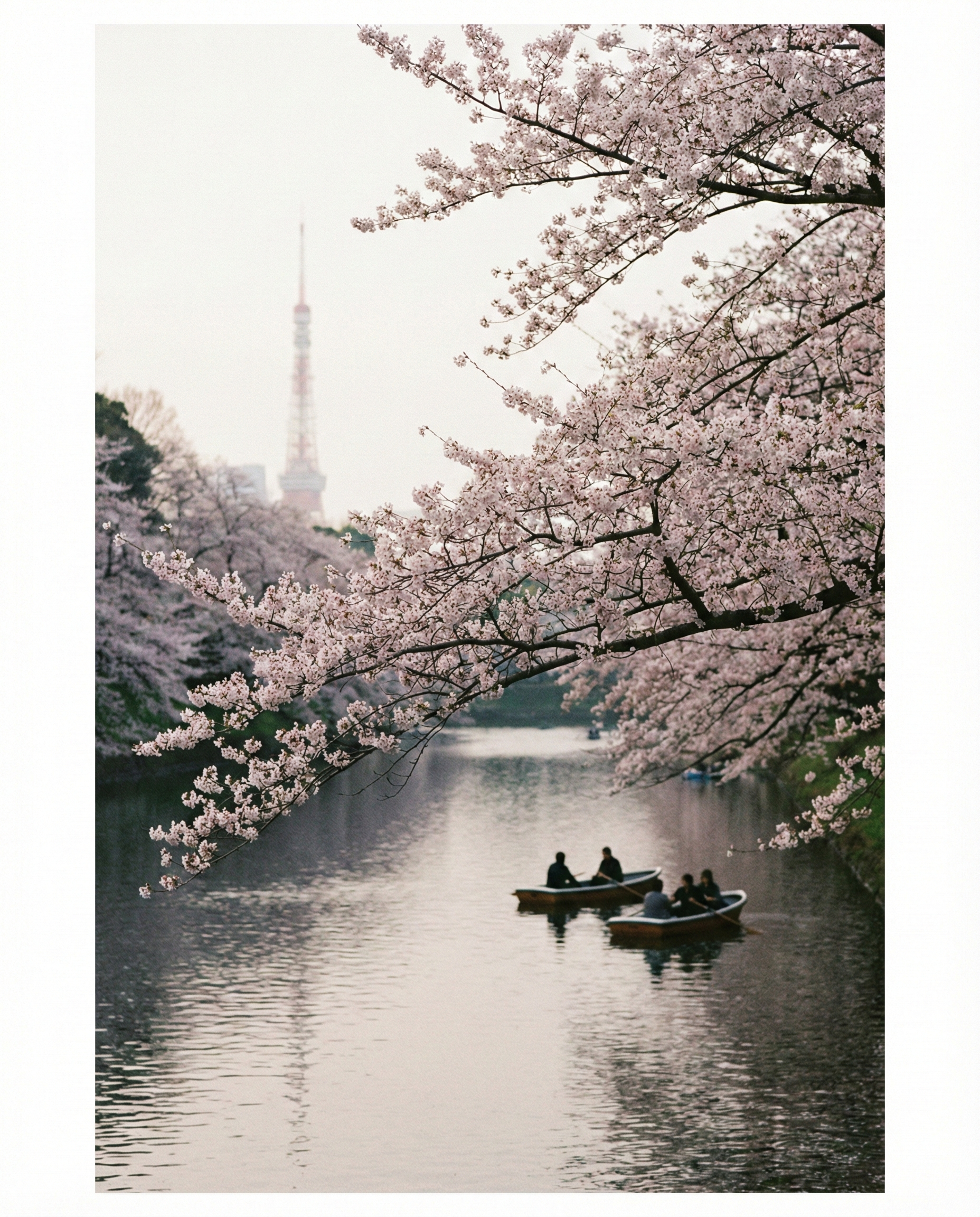
Choosing the right location depends on when you'll be in Japan and what viewing experience you prefer—urban parks, historic temples, riverside promenades, or mountain landscapes.
For late March arrivals (Kyushu/Southern Honshu): Fukuoka's Maizuru Park combines castle ruins with 1,000 cherry trees. Kumamoto Castle offers dramatic sakura against black castle walls. In Hiroshima, Peace Memorial Park provides reflective viewing along the river. Check each site's official tourism page for real-time bloom status rather than relying on general forecasts.
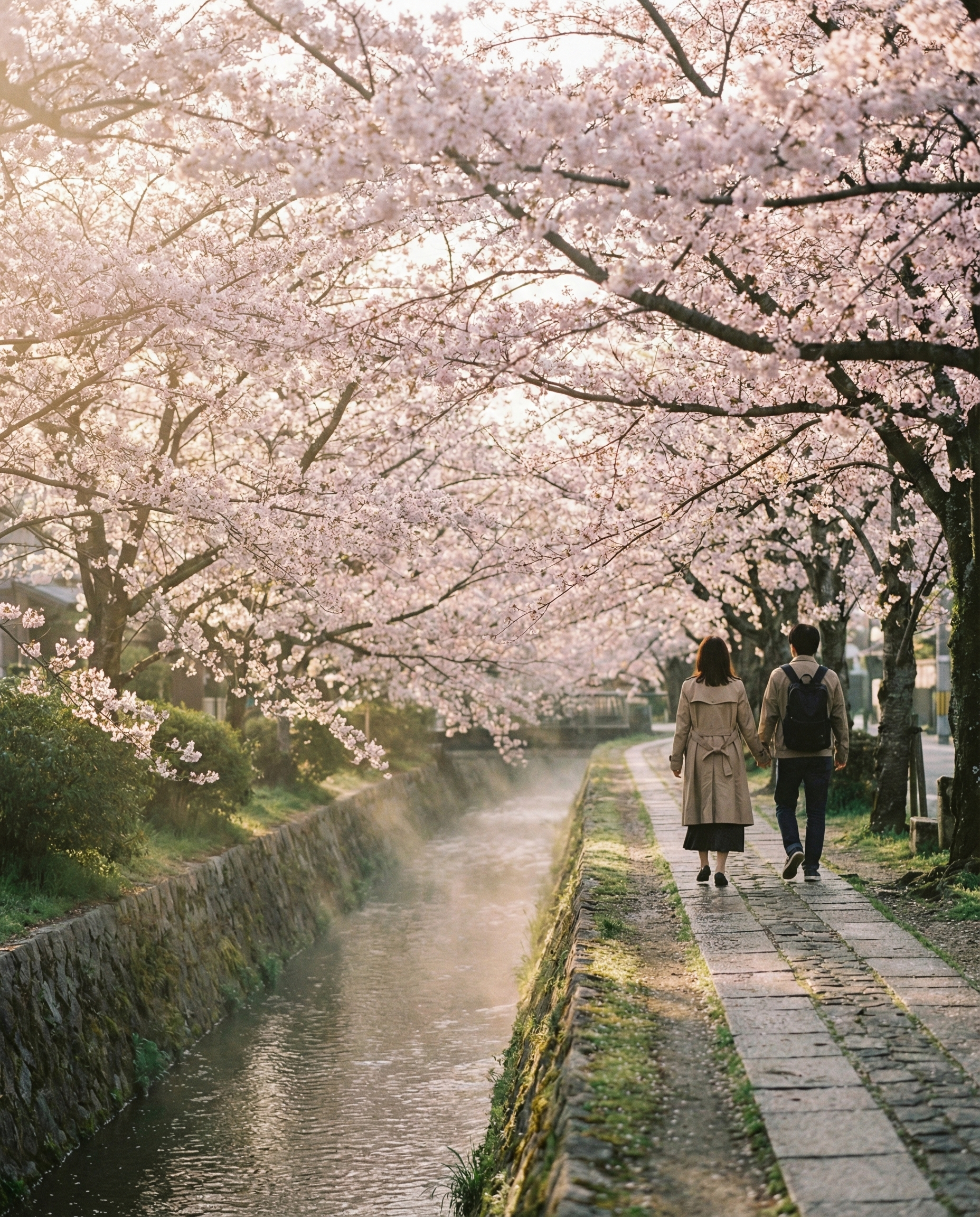
For early April arrivals (Kansai/Kanto peak): Kyoto's Philosopher's Path offers a 2km canal-side walk under cherry canopy—arrive before 8am to avoid crowds. Tokyo's Meguro River creates a pink tunnel effect with 800 trees lining both banks. Osaka Castle Park handles crowds well with multiple viewing areas. Verify bloom status through each city's tourism board website 2-3 days before visiting.
For mid-late April arrivals (Tohoku region): Hirosaki Castle Park in Aomori features 2,600 trees and iconic moat reflections—this is worth the journey north. Kakunodate in Akita preserves 400-year-old weeping cherry trees along samurai district streets. Miharu Takizakura in Fukushima, one of Japan's three great cherry trees, blooms mid-April and requires advance checking of its official status page.
For early May arrivals (Hokkaido): Sapporo's Maruyama Park and Hokkaido Shrine provide urban viewing. Hakodate's Goryokaku Fort offers star-shaped moat views from an observation tower. Matsumae Castle Park has 10,000 trees of 250+ varieties extending the season. Hokkaido's tourism websites update bloom forecasts daily during the season.
Local expert tips: Evening illuminations (yozakura) at major sites require checking each venue's lighting schedule—not all parks offer this. Weekday mornings before 9am provide the best photo opportunities with fewer people. Riverbanks and canal-side locations often bloom 2-3 days before nearby hilltop parks.
Common mistakes visitors make: Showing up on forecast "first bloom" dates expecting full coverage—add 7-10 days. Visiting only famous spots when neighborhood parks offer equally beautiful viewing with no crowds. Not checking accessibility—some mountain locations like Mt. Yoshino require significant uphill walking.
Mini recap: Match your dates to regional bloom forecasts, then select specific spots based on crowd tolerance and accessibility needs. Always verify real-time bloom status through official sources 2-3 days before visiting any location.
Gappy Helps You Navigate Changing Forecasts
Cherry blossom forecasts shift weekly as the season approaches, and even daily once blooms begin. Planning a trip around predictions made 3-4 months in advance often means arriving too early or too late for peak viewing.
Gappy's AI concierge monitors real-time bloom reports across all major viewing regions and can instantly adjust your itinerary when forecasts change. If Tokyo's blooms arrive a week early, Gappy suggests alternative day plans in blooming areas rather than leaving you at bare-branched parks. If rain ruins your scheduled hanami picnic, Gappy finds indoor alternatives or reschedules to the next clear day.
Ask Gappy questions like: "Where are cherry blossoms at peak viewing today?" or "What's the closest alternative to Ueno Park if blooms haven't started there?" The AI pulls current bloom status from official sources and matches it to your location and available time. No more searching multiple forecast sites or trying to decode Japanese-language updates.
Start chatting with Gappy to build a flexible sakura itinerary that adapts as the season unfolds.
What to Do When Forecasts Shift Unexpectedly
Even experienced Japan travelers get caught by forecast changes. A warm spell can advance blooms by 5 days; a late cold snap can delay them by a week. Rather than hoping for perfect timing, plan for contingencies.
Build route flexibility from the start. If your trip spans 10-14 days, structure it geographically so you can reverse direction if needed. For example, if planning Tokyo→Kyoto→Osaka but Tokyo blooms early, start in Kansai and move northeast to catch lingering blooms in Tohoku instead. Keep the first 2-3 days of accommodation refundable if possible.
Monitor forecasts starting 3 weeks before departure. Set up alerts through japan-guide.com's sakura page or follow Japanese weather company updates. When forecasts shift by 5+ days from initial predictions, adjust your itinerary before you arrive rather than hoping for the best.
Have backup viewing options in every region. If Kyoto's Philosopher's Path has already dropped petals, Arashiyama's mountain areas may still be blooming. If Tokyo's Ueno Park is past peak, higher-elevation areas like Chichibu bloom several days later. Research altitude and microclimate variations within each destination city.
Consider early/late season advantages. Early blooms mean smaller crowds but less consistent coverage across all trees. Late season means fallen petals but beautiful "sakura carpet" effects along rivers and temple grounds—a different aesthetic many photographers prefer. Neither is a failure if you adjust expectations.
Local insider tip: Japanese locals often prefer viewing weeping cherry (shidarezakura) and late-blooming varieties (yaezakura) specifically because they bloom 1-2 weeks after the standard Somei Yoshino variety. Ask tourism offices about these alternatives if you've missed the main wave.
Common mistakes to avoid: Canceling your entire trip if forecasts shift—Japan remains incredible outside sakura season. Refusing to adjust your locked-in itinerary despite clear forecast changes. Not researching altitude variations that can extend your viewing window by a week within the same prefecture.
Mini recap: Forecast shifts are normal, not a disaster. Build flexibility into your route, monitor updates closely in the 3 weeks before travel, and have altitude-based backup options ready in each region you'll visit.
Next Steps: Plan Your 2026 Sakura Journey
Start monitoring forecasts in January 2026. Bookmark the Japan Meteorological Agency's official forecast page (available in English) and japan-guide.com's sakura section. These update weekly starting mid-January. Set a calendar reminder to check forecasts every Sunday from February onward.
Book strategically with flexibility. Reserve accommodations for late March through early April in Kansai/Kanto regions, but choose cancellation-friendly options for the first few nights. If forecasts shift, you can adjust your route. Airlines offer more flexibility on domestic Japan flights than most international carriers, so consider flying between regions if blooms move unexpectedly.
Use Gappy to build an adaptive itinerary. Rather than locking in specific parks and temples months ahead, create a flexible framework with Gappy that adjusts as real-time bloom data comes in. You can save potential spots in each region and let Gappy optimize your daily routes based on current bloom status and weather. Create your sakura route with Gappy
FAQs
When is the best time to visit Japan for cherry blossoms in 2026? Late March through early April offers the highest probability of catching peak blooms in Kyoto, Osaka, and Tokyo—Japan's most popular sakura destinations. However, exact timing varies by 5-10 days each year based on winter and spring temperatures. Official forecasts from the Japan Meteorological Agency begin in mid-January 2026 and update weekly. For maximum flexibility, plan trips spanning 10-14 days across multiple regions to increase your chances of experiencing full bloom conditions somewhere along your route.
How long do cherry blossoms last in Japan? Individual cherry trees bloom for approximately 7-10 days from first opening to petal drop, with peak viewing during the 3-5 day "full bloom" window when 80% of flowers are open. However, Japan's cherry blossom season as a whole spans from mid-January in Okinawa through early May in Hokkaido due to geographical and climate variation. Within a single city, early and late-blooming varieties can extend the viewing period to 2-3 weeks, though the iconic Somei Yoshino variety that dominates most forecasts has a narrow peak window.
What is the difference between first bloom and full bloom? "First Bloom" (開花, kaika) is officially declared when 5-6 flowers open on designated sample trees monitored by weather agencies in each city—this is primarily a data point, not peak viewing time. "Full Bloom" (満開, mankai) occurs 7-10 days later when approximately 80% of flowers on those sample trees have opened. This full bloom period represents optimal viewing conditions and is what most travelers should plan around. Weather significantly affects this interval—warm temperatures accelerate the progression, while cold snaps can extend it beyond 10 days.
Can I still see cherry blossoms if I miss the peak forecast? Yes, through three strategies: geographic flexibility, altitude variation, and variety selection. If you miss peak bloom in Tokyo, regions north like Tohoku bloom 1-2 weeks later, while Hokkaido extends the season into early May. Within any region, higher elevations bloom later—mountain areas may still have flowers when lowland cities have already dropped petals. Additionally, weeping cherry (shidarezakura) and double-blossom varieties (yaezakura) bloom 1-2 weeks after the standard Somei Yoshino. Check local tourism boards for these alternative viewing options rather than assuming the entire season is over.
How accurate are cherry blossom forecasts in Japan? Early forecasts issued in January typically predict bloom dates within 7-10 days of accuracy, while forecasts made 2-3 weeks before actual blooming narrow to 3-5 day accuracy. The Japan Meteorological Agency and major weather companies update predictions weekly as temperature data improves. Final accuracy depends on unexpected weather events—a sudden warm spell can accelerate blooms by several days, while late cold snaps delay them. This is why monitoring forecast updates weekly from February through your travel dates is essential rather than relying on predictions made months earlier.
Do I need to book cherry blossom viewing spots in advance? Most public parks and streets with cherry blossoms require no advance booking or tickets—you can visit freely during daylight hours. However, some premium experiences do require reservations: certain temple night illuminations issue timed tickets, hanami boat tours on rivers sell out weeks ahead, and popular restaurant terraces with sakura views book solid during peak season. Check specific venue websites 4-6 weeks before your travel dates. For standard park viewing, arrive early morning (before 8am) on weekdays to avoid crowds without needing reservations.
What should I do if it rains during cherry blossom season? Rain accelerates petal fall, potentially shortening the peak viewing window by 1-2 days, but light rain during full bloom can create beautiful reflections and fewer crowds. Avoid visiting during heavy rain or strong winds, which strip petals quickly—instead, use Gappy to find indoor alternatives like museums or covered shopping streets, then return to outdoor viewing when weather improves. Many temples and shrines offer covered viewing areas that protect you from rain while maintaining sakura views. Post-rain "sakura carpet" effects, where fallen petals cover paths and float in moats, create a different but equally photogenic aesthetic many photographers specifically seek.
Tags
Written by