

Things to Do in Asakusa: Culture, Temples & Street Food
Things to Do in Asakusa: Culture, Temples & Street Food
TL;DR
- Asakusa centers on Senso-ji Temple (Tokyo's oldest) and Nakamise shopping street. Most visitors cover core attractions in 2-3 hours.
- Crowd timing is key: Arrive before 9am or after 5pm for peaceful grounds. Midday sees peak tour groups.
- Walking Route: Kaminarimon Gate → Nakamise Street → Senso-ji Main Hall → Asakusa Shrine → Sumida River.
- Check official sources: Always verify hours on the Senso-ji official website.
Quick Checklist:
- Take Ginza Line (Exit 1) for direct Kaminarimon access.
- Arrive before 9am or after 5pm to avoid mass crowds.
- Budget 2-3 hours for sights, 4-5 hours if eating and exploring deeply.
- Bring cash for street food vendors.
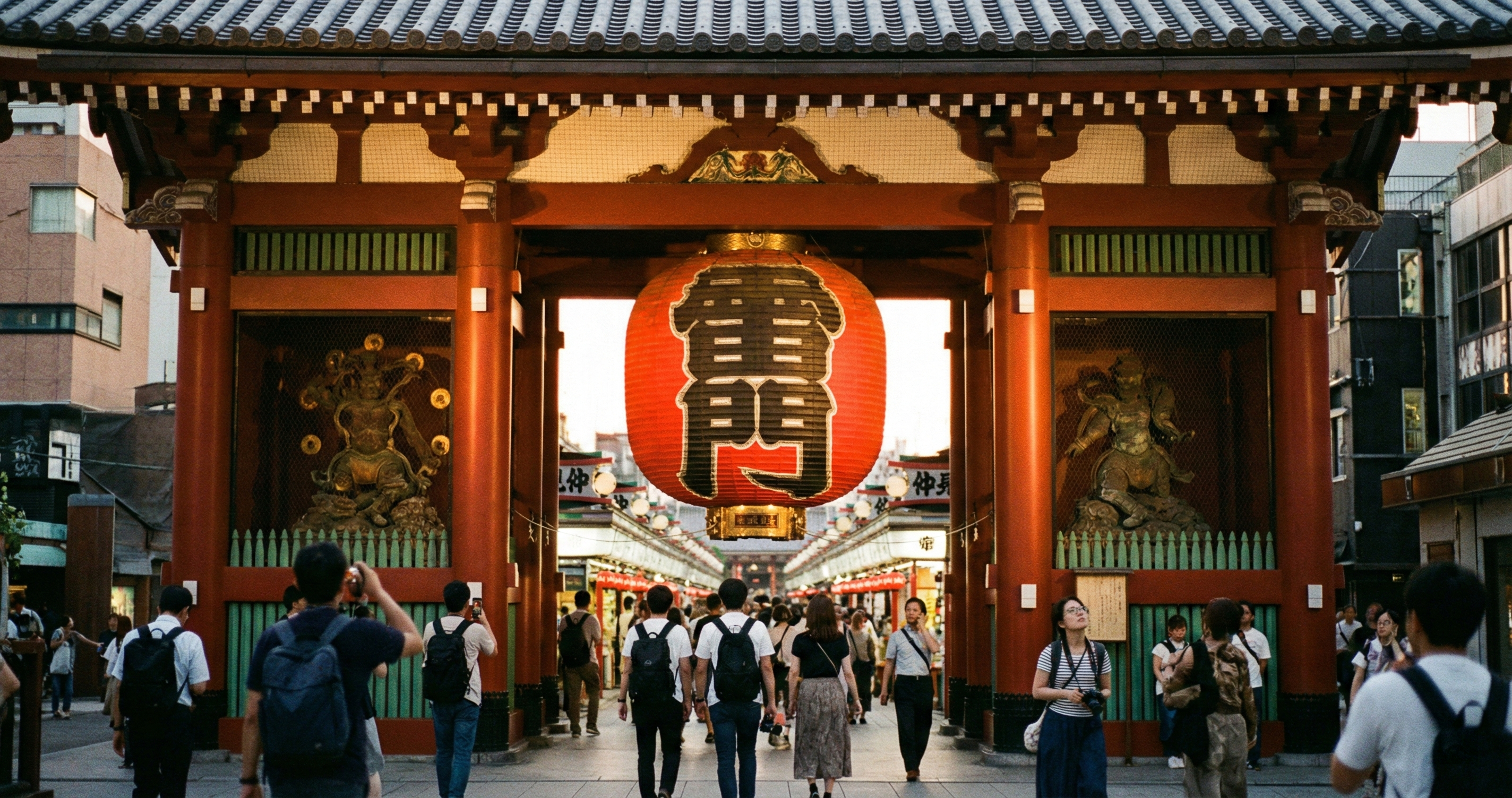
Asakusa preserves the atmosphere of Edo-period Tokyo—narrow streets, traditional crafts, and the persistent smell of grilling rice crackers. The massive red lantern of Kaminarimon Gate announces Senso-ji Temple's presence, making it one of Tokyo's most efficient cultural destinations.
However, Asakusa's fame creates crowd challenges. This guide provides walking routes optimizing flow, timing strategies, and specific food recommendations.
What Makes Asakusa Worth Visiting
Asakusa functions as Tokyo's most accessible window into traditional Japanese culture. Unlike theme-park recreations, this is a living district with functioning temples and multi-generational family businesses.
- Senso-ji Temple (浅草寺): Tokyo's oldest temple. While buildings are post-war reconstructions, the spiritual significance remains unbroken.
- Nakamise Shopping Street: A 250-meter approach lined with 90+ shops selling traditional goods and snacks.
- Traditional Crafts: Side streets host artisans making knives, textiles, and food samples.
Essential Asakusa Walking Route
The optimal route follows a geographic flow that minimizes backtracking.
1. Start: Asakusa Station (Ginza Line)
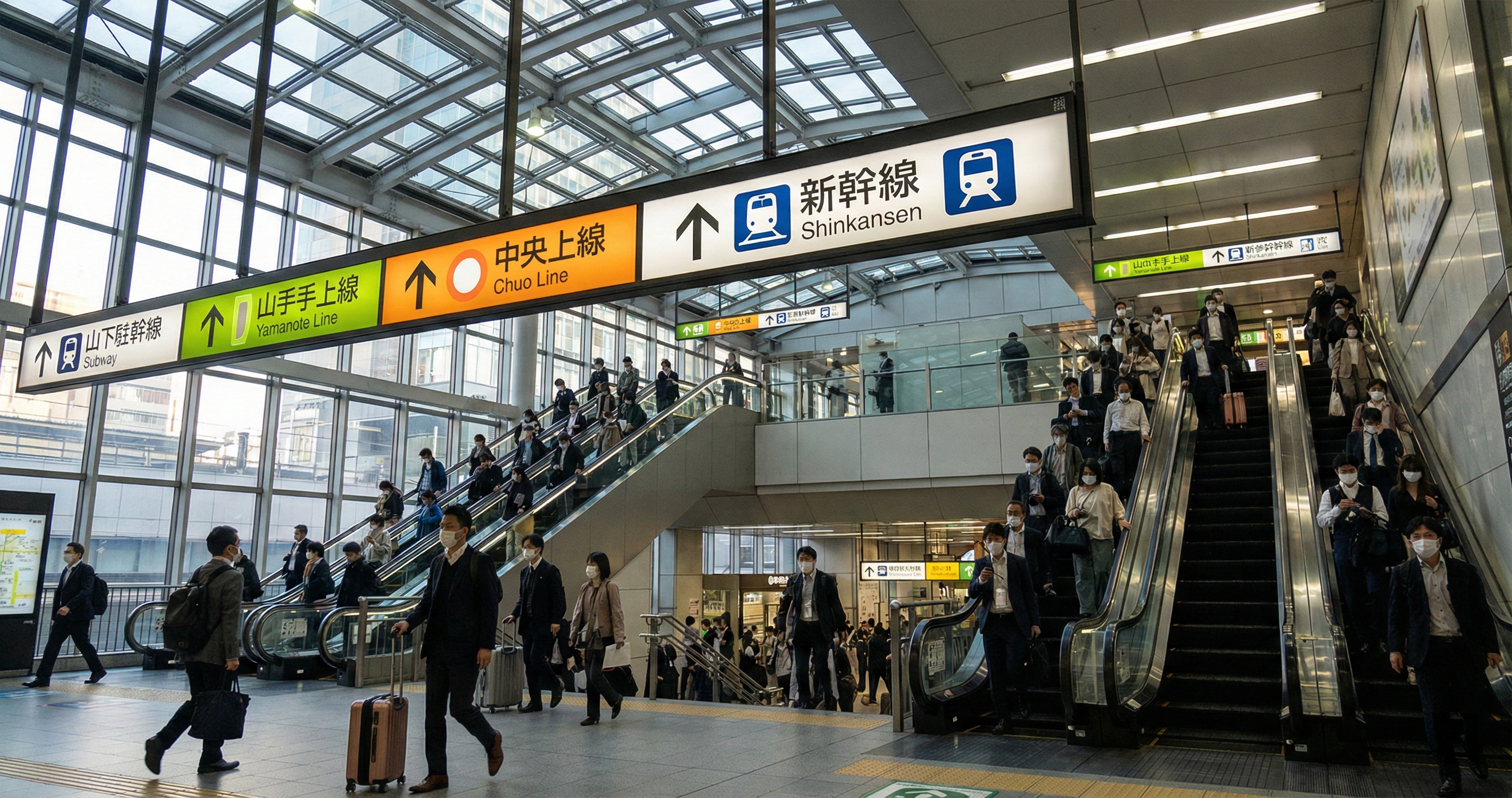
Use Exit 1. It puts you 2 minutes from the gate.
2. Kaminarimon Gate (5 mins)
The iconic "Thunder Gate." Photo Tip: Photograph from across the street for the full view, or from the Nakamise side looking back to avoid crowds.
3. Nakamise Shopping Street (20-60 mins)
Browse and eat.
- Note: Eat snacks at the shop; walking while eating is often discouraged in crowded areas.
4. Hozomon Gate & Senso-ji Main Hall (30 mins)
- Purification: Use the water pavilion (temizuya).
- Incense: Waft smoke toward yourself for health.
- Offering: Bow twice, clap twice, pray, bow once.
- Omikuji: Try a fortune slip (¥100). If it's "Bad Luck" (Kyo), tie it to the rack.
5. Asakusa Shrine & Sumida River
Visit the adjacent shrine, then walk 5 minutes east to the river for views of Tokyo Skytree.
Crowd Timing Strategy
Asakusa's density varies dramatically.
- Early Morning (6-9am): Peaceful. Best for photography. Shops are closed, but the temple atmosphere is spiritual and quiet.
- Mid-Morning (9-11am): The "Sweet Spot." Shops open, crowds building but manageable.
- Midday (12-3pm): Peak Crowds. Tour buses arrive. Very difficult to navigate Nakamise.
- Evening (After 5pm): Shops close, but the illuminated temple is magical and empty.
Asakusa Food Guide
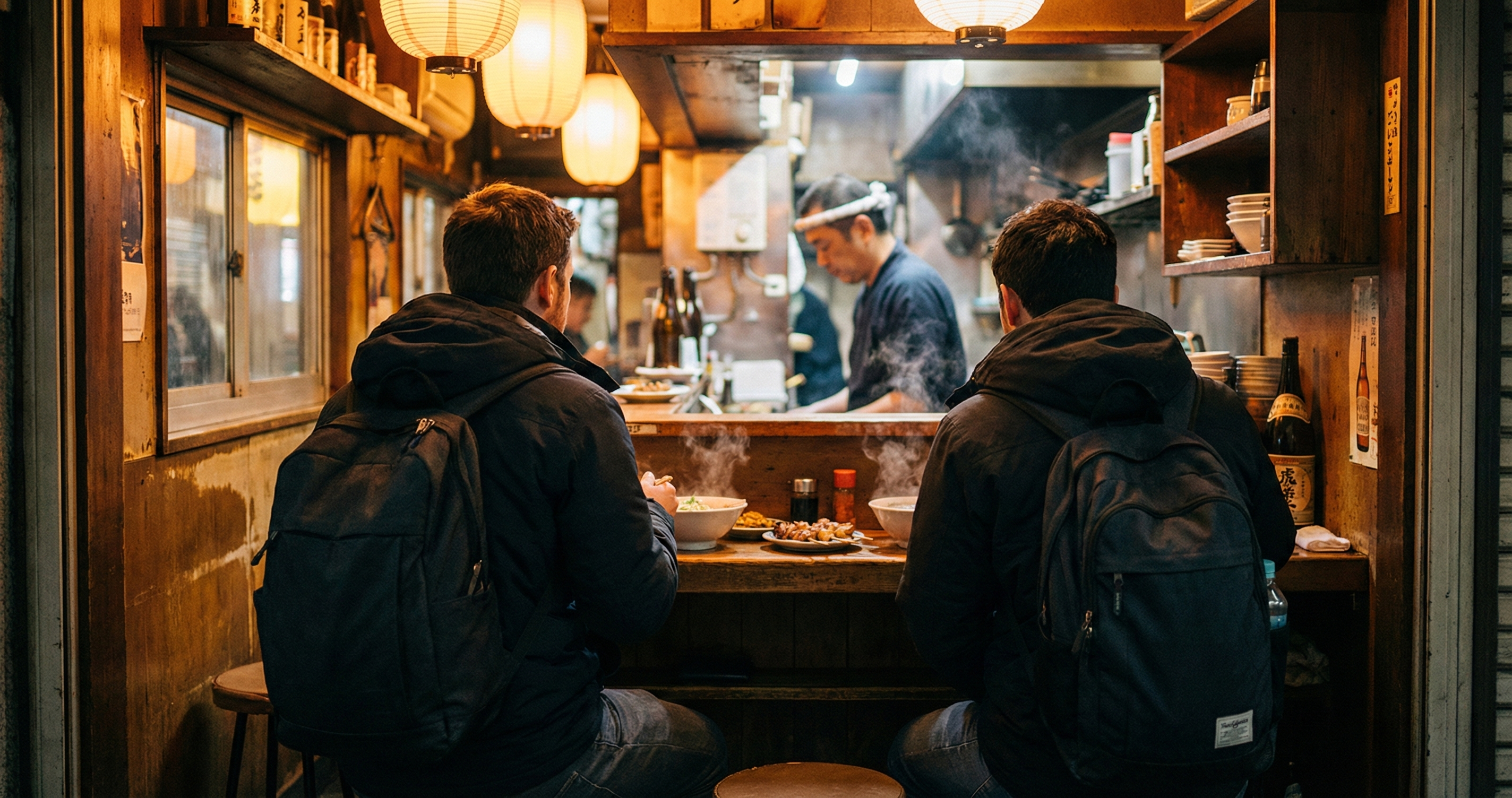
Asakusa is a "snack grazing" destination rather than a sit-down meal hub. Bring cash!
Must-Try Street Snacks
- Ningyo-yaki: Small sponge cakes filled with red bean paste, shaped like lanterns or birds. Best eaten warm.
- Senbei (Rice Crackers): Look for shops grilling them fresh over charcoal.
- Kibi-dango: Soft mochi skewers dusted with soybean flour.
- Melonpan: Sweet cookie-crusted bread.
Lunch Tip: Many traditional tempura or unagi (eel) restaurants close between lunch (2pm) and dinner (5pm). Plan accordingly.
Photography & Cultural Experiences
Beyond the standard gate photo, Asakusa offers depth.
- Kimono Rental: Popular for walking the temple grounds. Book in advance.
- Rickshaw Rides: A guided tour through side streets. Drivers often speak English.
- Photography: Capture the juxtaposition of the ancient Five-Story Pagoda with the modern Tokyo Skytree in the distance.
Gappy Helps
Navigating Asakusa efficiently involves coordinating arrival timing and food choices. Gappy's guidance accounts for your schedule and interests.
Get personalized Asakusa routing recommendations
FAQs
What is Asakusa famous for? Asakusa is famous for Senso-ji Temple (Tokyo's oldest), the Kaminarimon Gate, and the Nakamise shopping street. It preserves the vibe of old Edo-period Tokyo.
How long should I spend in Asakusa? 2-3 hours is perfect for the main sights. If you plan to rent a kimono or explore food deeply, allow 4-5 hours.
Is Asakusa worth visiting at night? Yes, for photography and peace. The temple structures are illuminated and crowds are gone. However, most shops and food stalls close by 5-6pm.
What's the best time to visit? Before 9am for photography/peace, or weekday mid-mornings (9-11am) for open shops with manageable crowds. Avoid midday weekends.