

Japan Travel News Today: Current Updates for International Visitors
Gappy Local Expert Team
Japan Travel News Today: What You Need to Know
One-line Answer
Japan is currently open for international tourism with streamlined entry procedures, though specific visa requirements, currency exchange rates, and transport conditions change regularly and must be verified through official sources before travel.
TL;DR:
- Entry requirements vary by nationality; check the Ministry of Foreign Affairs (MOFA) website for your specific country's visa rules and current entry procedures
- The yen's exchange rate against major currencies fluctuates daily—monitor rates through Bank of Japan or currency exchange sites before and during your trip
- Major transport updates (JR Pass pricing, metro expansions, seasonal disruptions) are announced on official railway and airline websites
Quick Checklist:
- Verify your nationality's visa requirements on Japan's Ministry of Foreign Affairs website 4-6 weeks before departure
- Check current yen exchange rates 1-2 weeks before travel to plan budget adjustments
- Review JR company websites for any service changes or price updates if using rail passes
- Confirm airline operational status 48-72 hours before departure for international and domestic flights
- Subscribe to Japan Tourism Agency email updates for policy changes during your trip
- Download official apps (JR East, Tokyo Metro, Visit Japan Web) for real-time travel info
- Register with your embassy in Japan for emergency notifications during your stay
Introduction
Japan's travel landscape shifts regularly with policy updates, currency fluctuations, and infrastructure changes that directly impact international visitors. While Japan remains open and welcoming to tourists, the specific requirements for entry, the purchasing power of your currency, and the status of major transportation systems require checking official sources as these details change frequently.
This guide provides a framework for staying informed rather than static information that becomes outdated. You'll learn which official sources to monitor for entry requirements by nationality, how to track currency trends that affect your travel budget, and where to find real-time updates on Japan's extensive transportation network. Understanding how to access current, verified information is more valuable than relying on potentially outdated advice—especially for a destination as dynamic as Japan.
Current Entry Requirements & How to Verify Them

Japan's entry policy varies significantly by nationality and changes periodically. As of this article's publication, Japan has resumed visa-free short-term stays for many countries, but the specific duration allowed (typically 15, 30, or 90 days) and whether you need to apply for a visa depends entirely on your passport. Do not assume your nationality qualifies for visa-free entry—verify through official channels.
To check your specific requirements: Visit the Ministry of Foreign Affairs (MOFA) website at mofa.go.jp and navigate to their visa section. Search for your nationality to see current visa exemption status and permitted stay duration. For visa applications, contact the Japanese embassy or consulate in your country directly—processes and required documents vary by location and change regularly. The MOFA website is updated as policy changes occur, making it the only reliable source for definitive entry rules.
Entry documentation you may need: Valid passport (typically 6+ months validity remaining), return/onward ticket, proof of sufficient funds, and potentially accommodation confirmation. Some nationalities require additional documentation. The Visit Japan Web service (vjw.digital.go.jp) streamlines customs and immigration by allowing you to pre-register entry information, though it's optional for most travelers. Check if your nationality benefits from using this system.
Local tips: Immigration wait times at Narita and Haneda airports vary dramatically by flight arrival clustering—early morning international arrivals (6-9am) and evening peak (4-8pm) create longer queues. If you have connecting domestic flights, allow 90-120 minutes minimum for immigration and customs during peak times. Officers may ask about your itinerary, so have accommodation addresses readily accessible on your phone.
Common mistakes travelers make: Assuming visa-free status based on outdated blog posts rather than checking current MOFA guidance. Arriving with less than 6 months passport validity (some countries' citizens face issues even though Japan's minimum is technically lower). Not pre-registering with Visit Japan Web when eligible, leading to unnecessary paper form completion at arrival.
Mini recap: Entry requirements are nationality-specific and change periodically. Always verify current rules through MOFA's official website 4-6 weeks before your trip, and confirm nothing has changed in the week before departure.
Exchange Rate Trends & Money Management
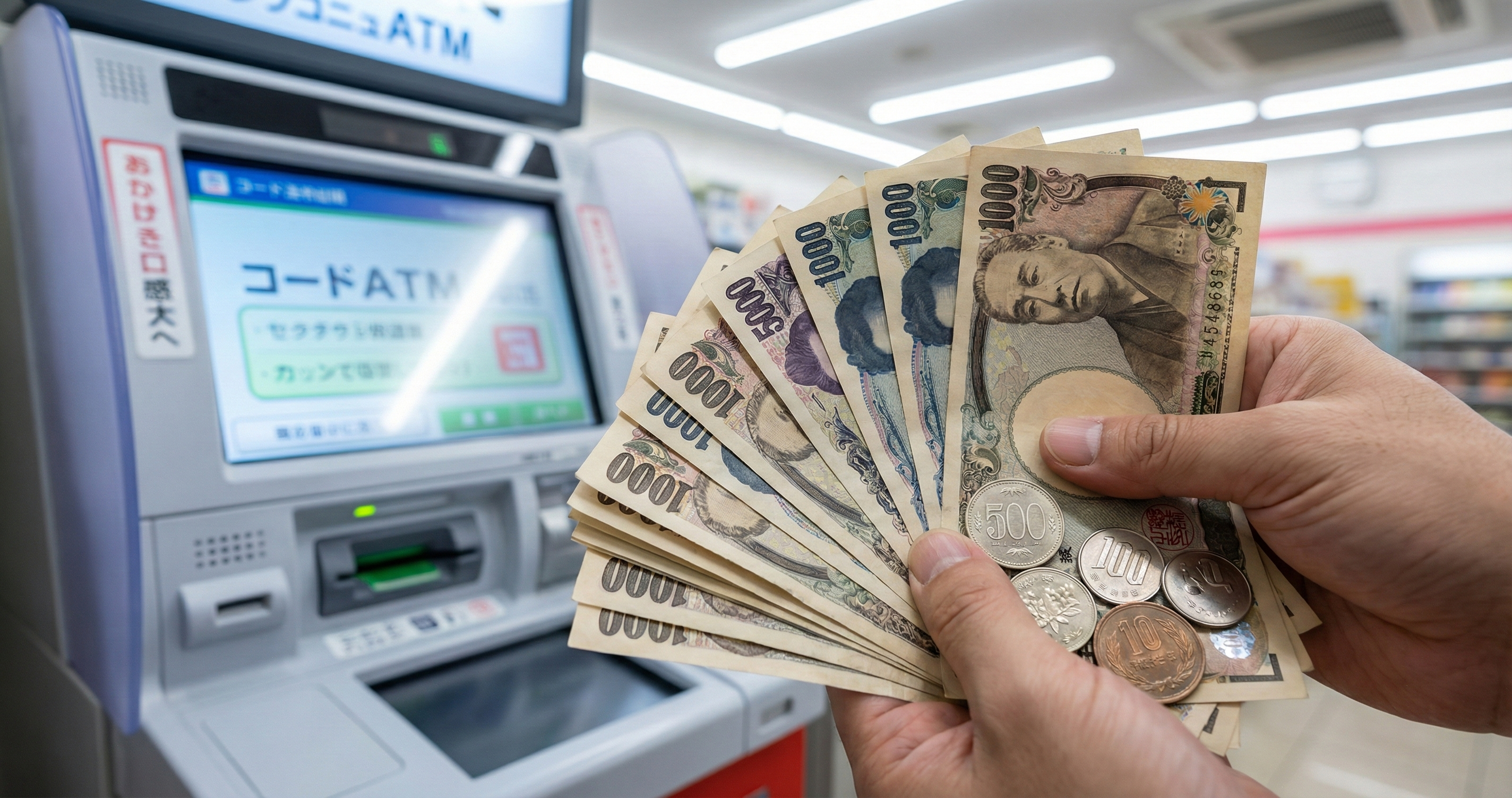
The Japanese yen's value against major currencies fluctuates daily based on global economic factors. Rather than stating a specific exchange rate that will be outdated within hours of publication, focus on understanding how to monitor rates and what they mean for your travel budget. The yen experienced significant volatility in recent years, creating both opportunities and challenges for international visitors depending on timing.
To track current rates: Use xe.com, the Bank of Japan's official website, or your bank's currency converter for real-time exchange rates. Check rates weekly starting 1-2 months before your trip to identify trends—are rates strengthening or weakening against your home currency? This informs when to exchange money and how to adjust your budget. Rates can shift 3-5% or more within a month during volatile periods.
Exchanging money strategically: Airport exchange counters offer convenience but typically 3-5% worse rates than city banks or ATMs. Seven Bank ATMs (found in 7-Eleven stores nationwide) accept most international cards with reasonable fees. For larger amounts, authorized currency exchange shops in major cities often beat bank rates. Check your home bank's international ATM fee structure before departure—some charge flat fees, others percentage-based, affecting your withdrawal strategy.
Payment methods in Japan: Cash remains dominant despite increasing credit card acceptance in major cities. Smaller restaurants, local shops, temples, and rural businesses often operate cash-only. Budget to carry 20,000-30,000 yen in cash for multi-day trips, withdrawing more as needed from convenience store ATMs rather than exchanging large sums at once and carrying excess cash.
Local insider tip: IC cards (Suica, Pasmo) work for more than just trains—many convenience stores, vending machines, and chain restaurants accept them. Load these cards with 5,000-10,000 yen for seamless small purchases without fumbling for coins. Exchange rate impact on these prepaid cards is locked in at loading time, helping budget stability.
Common mistakes: Exchanging all money at the airport upon arrival (poor rates). Relying entirely on credit cards in Japan (cash-only situations are common). Not informing your bank of Japan travel dates (cards get frozen for suspected fraud). Carrying only large bills (10,000 yen notes) which small shops may struggle to change.
Mini recap: Monitor exchange rates through official sources weekly before travel. Use Seven Bank ATMs or city exchange shops for better rates than airports. Maintain sufficient cash (20,000-30,000 yen) as cards aren't universally accepted.
Major Transport Updates & Where to Check Status
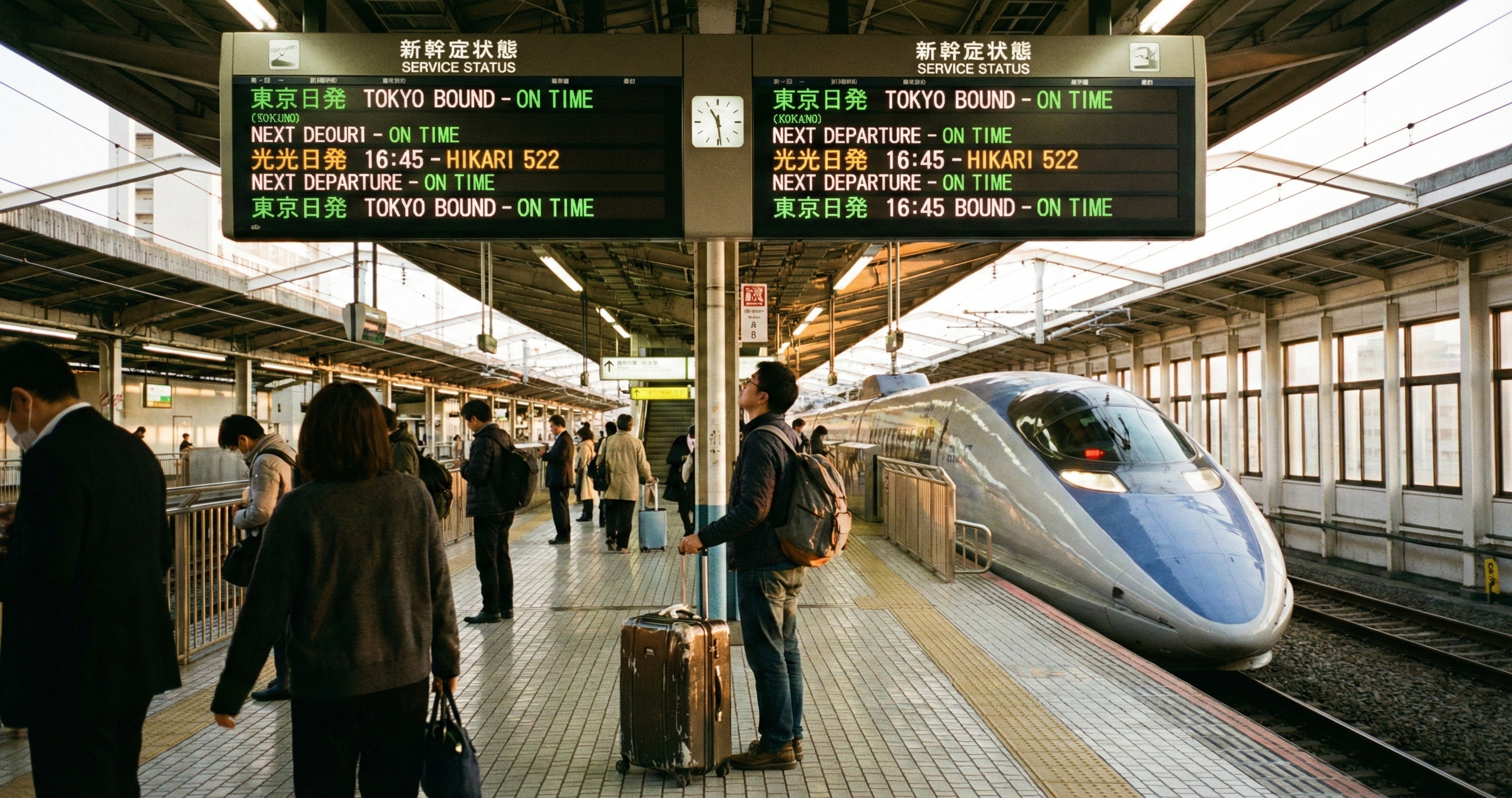
Japan's transportation network is extensive and generally reliable, but seasonal maintenance, weather events, and policy changes create periodic disruptions or updates that affect travelers. The most significant recent change impacting international visitors is JR Pass pricing adjustments and expanded coverage options—these change annually and must be verified on official JR websites rather than travel blogs.
For railway updates: Each JR company (JR East, JR West, JR Central, JR Kyushu, JR Shikoku, JR Hokkaido) maintains its own website with English sections detailing service changes, temporary suspensions, and pricing. The Japan Rail Pass official site (japanrailpass.net) publishes current pass prices, which have fluctuated significantly in recent years. Private railway companies (Kintetsu, Odakyu, Keio, etc.) similarly post updates on their respective sites. Check these 1-2 weeks before travel and again 48 hours before major train journeys.
For airport and flight information: Check your airline's official website directly rather than third-party aggregators for most current flight status. Narita International Airport (narita-airport.jp) and Tokyo Haneda Airport (tokyo-haneda.com) provide real-time arrival/departure information and terminal updates in English. Domestic airlines (JAL, ANA, Peach, Jetstar Japan) frequently adjust schedules based on demand—confirm domestic connections 24-48 hours prior.
For urban transit: Tokyo Metro, Osaka Metro, Kyoto City Bus, and other municipal systems announce service changes and special schedules during holidays on their websites. Major holidays (New Year's, Golden Week, Obon) may affect frequency or operating hours. The Hyperdia app or official transit apps provide real-time delay information and alternative routing when disruptions occur.
Seasonal considerations: Typhoon season (June-October) can suspend train and flight services with 12-48 hours notice. Winter heavy snow in northern Japan and mountainous areas occasionally delays or cancels services. Follow Japan Meteorological Agency warnings and check transport operator websites when severe weather is forecast. Services typically resume quickly after conditions improve.
Local expert insight: JR companies announce planned maintenance "disruption calendars" months in advance—check these if planning long-distance travel on specific dates. Weekend late-night train service ends earlier than weekdays on many lines (last trains around 11pm-midnight vs. 1am+ on weekdays). Route-finding apps sometimes suggest faster routes that require multiple transfers—balance speed against simplicity, especially with luggage.
Common traveler errors: Assuming JR Pass covers all trains in Japan (private railways aren't included). Not downloading offline transit maps before travel (internet connectivity isn't guaranteed in all areas). Booking tight connection times between trains without checking if seasonal/weather delays are likely. Relying on buses during rush hour in major cities (trains are more time-reliable).
Mini recap: Transportation updates are announced on individual operator websites. Verify JR Pass current pricing and coverage before purchase. Check railway and airline status 48-72 hours before major journeys, especially during typhoon season or holidays.
Recent Policy Changes & Tourism Updates

Japan's tourism policies evolve regularly to balance visitor experience with local community needs and infrastructure capacity. Recent years have seen overtourism management measures in popular destinations, revised tourist tax structures in certain regions, and digital systems replacing paper-based processes at entry points. These changes aim to improve visitor flow while generating revenue for tourism infrastructure.
Overtourism management in key destinations: Locations like Kyoto, Hakone, and Mt. Fuji have implemented various crowd control measures ranging from reservation systems for specific sites to visitor caps during peak seasons. The specifics vary by location and season—check municipal tourism websites for the exact destinations on your itinerary 2-3 weeks before travel. Some temples and shrines now require advance reservations for peak periods (cherry blossom, autumn foliage) where previously they were unrestricted.
Tourist tax and accommodation fees: Many prefectures and municipalities now charge accommodation taxes or departure taxes ranging from 100-1,000 yen per night depending on room rates. These are typically collected by hotels at checkout rather than paid separately. Check your accommodation's booking terms to understand if quoted prices include these taxes or if they're added later—this affects budget accuracy.
Digital infrastructure improvements: The Visit Japan Web system (mentioned in entry requirements) now handles customs declarations, immigration pre-registration, and tax-free shopping coordination. While optional for most visitors, using this system speeds airport processing. Japan's tax-free shopping digitalization means you no longer receive physical tax exemption forms stapled in your passport—purchases are tracked electronically and verified at departure.
Regional tourism campaigns: Japan's prefectural governments run rotating tourism campaigns offering discounts on accommodations, attractions, or transport for specific regions. The Japan Tourism Agency's website announces these programs, though eligibility sometimes requires booking through specific platforms or travel agents. These campaigns change quarterly and aren't guaranteed year-round.
Local perspective: Tokyo and Kyoto increasingly enforce quiet zones in residential areas popular with tourists—expect signage requesting reduced noise in neighborhoods like Gion or around temple districts. Photography restrictions at certain shrines have expanded; respect "no photo" signs which may differ from what older guidebooks indicated. Trash separation rules in public areas have become stricter with removal of public bins in some high-traffic tourist zones.
Mistakes to avoid: Assuming you can show up at any time to popular temples/shrines during peak seasons without reservations. Not budgeting for accommodation taxes separately from room rates. Ignoring local photography restrictions because they aren't mentioned in your guidebook. Expecting public trash bins everywhere (carry a small bag for trash until you find disposal points).
Mini recap: Tourism policies shift based on overtourism management needs. Check specific destination websites for reservation requirements and crowd management measures. Budget for accommodation taxes (100-1,000 yen/night) not always included in booking prices.
Gappy Helps You Navigate Real-Time Changes

Japan's travel landscape changes faster than any guidebook can keep pace with. When entry requirements shift, exchange rates fluctuate, or transport schedules change unexpectedly during your trip, having real-time assistance prevents wasted time and missed opportunities.
Gappy's AI concierge monitors official sources daily and adjusts recommendations based on current conditions. Ask questions like "Are there any transport disruptions between Tokyo and Kyoto today?" or "What's the best way to exchange money near my current location?" to get answers grounded in official data rather than outdated blog posts.
Chat with Gappy for real-time Japan travel updates
Next Steps: Plan Your Adaptive Japan Journey
Start monitoring official sources now. Bookmark the MOFA website for your nationality's entry requirements, subscribe to Japan Tourism Agency updates, and follow the JR companies relevant to your planned routes. Set calendar reminders to check these weekly starting 4-6 weeks before your trip.
Set up currency alerts. Use xe.com or your bank's app to track yen exchange rates against your home currency. Notice trends over 2-3 weeks to inform your exchange timing strategy.
Download essential apps before departure. Get Visit Japan Web, Hyperdia or Google Maps (offline mode enabled), your planned railway companies' apps, and Gappy for on-the-ground assistance. Test these while you still have reliable internet at home.
Plan your adaptive Japan itinerary with Gappy
Frequently Asked Questions
Is Japan currently open for tourism? Yes, Japan is fully open for international tourism with restored visa-free entry for many nationalities, though specific requirements depend on your passport country. Entry procedures have been streamlined compared to pandemic-era restrictions. However, the permitted stay duration (15, 30, or 90 days) varies significantly by nationality. Check the Ministry of Foreign Affairs website for your country's current visa status and allowed stay period, as policies are reviewed periodically and can change with diplomatic agreements or security considerations.
What are the current visa requirements for Japan? Visa requirements are nationality-specific and range from visa-free entry up to 90 days (for countries like USA, UK, Australia) to visa-required even for short tourist stays. Visit Japan's Ministry of Foreign Affairs website and search for your nationality to see current rules. If you need a visa, contact the Japanese embassy or consulate in your country directly for application procedures, required documents, and processing times. Requirements change periodically based on diplomatic relations and reciprocal agreements. Apply 4-8 weeks before planned travel to allow processing time.
How strong is the yen against major currencies right now? The yen's exchange rate fluctuates daily based on global economic conditions, central bank policies, and market sentiment. Rather than relying on outdated exchange rate information, check real-time rates through xe.com, your bank's currency converter, or the Bank of Japan's official website. Rates can shift significantly within days during volatile periods. Monitor weekly starting 1-2 months before travel to identify strengthening or weakening trends that inform your budget planning and money exchange timing strategy.
Are there any current transportation disruptions in Japan? Transportation disruptions occur periodically due to weather (typhoons, heavy snow), planned maintenance, or unforeseen events. Check specific operator websites 48-72 hours before your planned journey: JR companies post service changes and delays, major airports provide real-time flight status, and urban metro systems announce schedule modifications. During typhoon season (June-October) or winter in northern regions, verify status the morning of travel. Services typically resume quickly after disruptions, and operators provide alternative routing information on their websites.
Has the JR Pass price changed recently? Yes, JR Pass pricing has been adjusted multiple times in recent years and may continue to change. Current prices, pass types (7-day, 14-day, 21-day), and coverage details are published on the official Japan Rail Pass website (japanrailpass.net). Do not rely on travel blogs or older guidebooks for pricing—verify directly before purchase. Calculate whether the pass offers value for your specific itinerary by comparing total individual ticket costs for your planned routes against current pass prices. Not all Japan travel requires a JR Pass to be cost-effective.
Do I need travel insurance for Japan? While not legally required for entry, travel insurance is strongly recommended for Japan trips. Medical care in Japan is high quality but expensive for visitors without Japanese health insurance—emergency room visits can cost 30,000-100,000+ yen, hospital stays significantly more. Insurance should cover medical emergencies, trip cancellations, lost luggage, and potentially natural disaster evacuation (important during typhoon season). Check if your policy covers COVID-19 related cancellations and medical treatment. Verify coverage details directly with your insurance provider rather than assuming standard policies include all scenarios.
What's the latest COVID-19 policy for Japan visitors? Japan's COVID-19 entry requirements have been relaxed significantly, though policies can be reinstated if public health situations change. As of this article's publication, vaccination certificates and pre-departure testing are generally not required for most visitors, but verify current requirements on the Ministry of Foreign Affairs or Ministry of Health, Labour and Welfare websites 2-3 weeks before departure. Within Japan, mask-wearing has become optional in most settings, though some facilities may request it. Individual business policies vary—respect signage at specific locations.
Tags
Written by