

AI Travel Planner Quiz: Build Your Japan Trip
Gappy Local Expert Team
AI Travel Planner Quiz: Build Your Perfect Japan Trip in 60 Seconds
TL;DR:
- Gappy's AI travel planner creates personalized Japan itineraries in 60 seconds through a simple 5-question quiz covering your dates, interests, pace, and budget—then generates complete day-by-day plans with stations, transport, timing, and real-time adjustment capability.
- Unlike generic AI trip planners, Gappy specializes in Japan-specific complexity including train station navigation, rush hour avoidance, crowd forecasting, and real-time plan modifications when weather, fatigue, or unexpected situations change your needs mid-trip.
- The AI outputs include exact station names, platform information, walking times, crowd predictions, and alternative options—then continues helping throughout your trip with on-the-ground decision support when plans need adjustment.
Quick Checklist:
- Take the 60-second quiz to input your Japan travel preferences and constraints.
- Receive AI-generated day-by-day itinerary with stations, transport, timing, and crowd considerations.
- Review the plan and request modifications through conversational AI chat interface.
- Download or access your itinerary via mobile during your trip for real-time guidance.
- Use the AI assistant while traveling to adjust plans based on weather, energy, crowds, or discoveries.
- Access Japan-specific features like rush hour alerts, women-only train cars, and station exit guidance.
- Get alternative suggestions when fatigue, weather, or spontaneous interests change your priorities.
Introduction
Planning a Japan trip typically involves hours of research—comparing neighborhoods, decoding train maps, calculating transit times between scattered attractions, figuring out which Shibuya station exit leads to your destination, and somehow predicting whether Senso-ji Temple will be wall-to-wall tourists when you arrive. Generic AI trip planners can suggest "visit Tokyo Tower" but can't tell you to take the Oedo Line to Akabanebashi Station (not Kamiyacho) to avoid the uphill walk, or that weekday mornings offer 70% fewer crowds than weekend afternoons.
Gappy's AI travel planner solves this through Japan-specific intelligence—it understands that "Shinjuku Station" isn't a single location but a maze of interconnected platforms requiring 10-minute underground walks between lines, that rush hour means genuinely packed trains where women-only cars become essential, and that your afternoon plans need adjustment when morning temple visits exhaust you faster than anticipated.
Start Your Personalized Japan Itinerary Now →
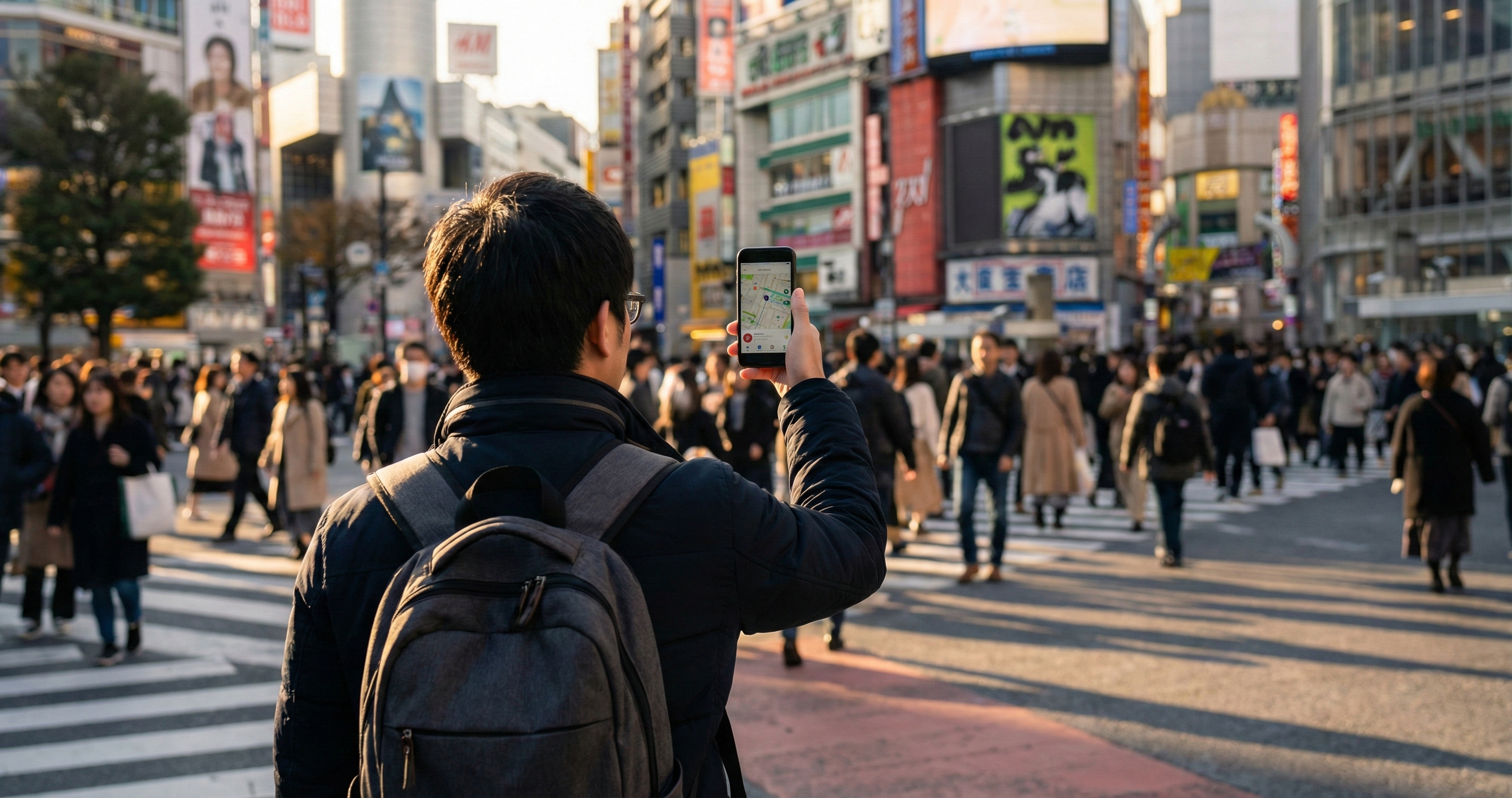
How Gappy's AI Travel Planner Works: Three Simple Steps
Gappy's AI travel planning process requires just 60 seconds of input through a five-question quiz, then generates comprehensive Japan itineraries accounting for transport complexity, crowd patterns, timing logistics, and individual preferences—with conversational refinement available after the initial plan generation.
The three-step process eliminates the typical hours of manual research, spreadsheet building, and Google Maps calculations that characterize traditional Japan trip planning, while incorporating local expertise and real-time data that generic AI planners lack.
Step 1: Input Your Trip Parameters (60 seconds)
The quiz collects five essential inputs that determine your personalized itinerary:
- Travel dates and duration establish the seasonal context (cherry blossom crowds in April, summer heat in July-August, autumn foliage timing in November).
- Interest categories (culture, food, nature, anime, etc.) weight the AI's recommendations.
- Travel pace preference (relaxed, moderate, packed) determines daily activity density and buffer time between locations.
- Budget range filters accommodation suggestions and restaurant recommendations.
- Mobility considerations flag if you need elevator access or slower movement speeds, fundamentally restructuring routing.
Step 2: AI Processing With Japan-Specific Intelligence
Once you submit the quiz, Gappy's AI combines your inputs with real-time data layers (weather, festivals), transport network modeling (specific platforms and exits), crowd intelligence, and geographic optimization to cluster activities efficiently.
Step 3: Receive and Refine Your Complete Plan
The AI outputs a complete multi-day itinerary including day-by-day schedules, exact station names, walking times, restaurant suggestions, and crowd predictions. After receiving your initial itinerary, you can engage with the conversational AI to refine details like "Add more rest time" or "Focus more on food."

Why Gappy's AI Understands Japan Better Than Generic Trip Planners
Gappy's Japan specialization means the AI handles complexity that generic trip planners ignore or get wrong—specifically train station navigation, rush hour dynamics, crowd forecasting, seasonal timing, and the geographic scale that makes Tokyo day-trips fundamentally different from planning any other city.
Generic AI trip planners trained on global destinations treat Japan like any other place, suggesting "visit Shibuya" without understanding that Shibuya Station has 9 different exits spread across a multi-block underground complex, or that weekend afternoons turn Takeshita Street into immobile shoulder-to-shoulder crowds.
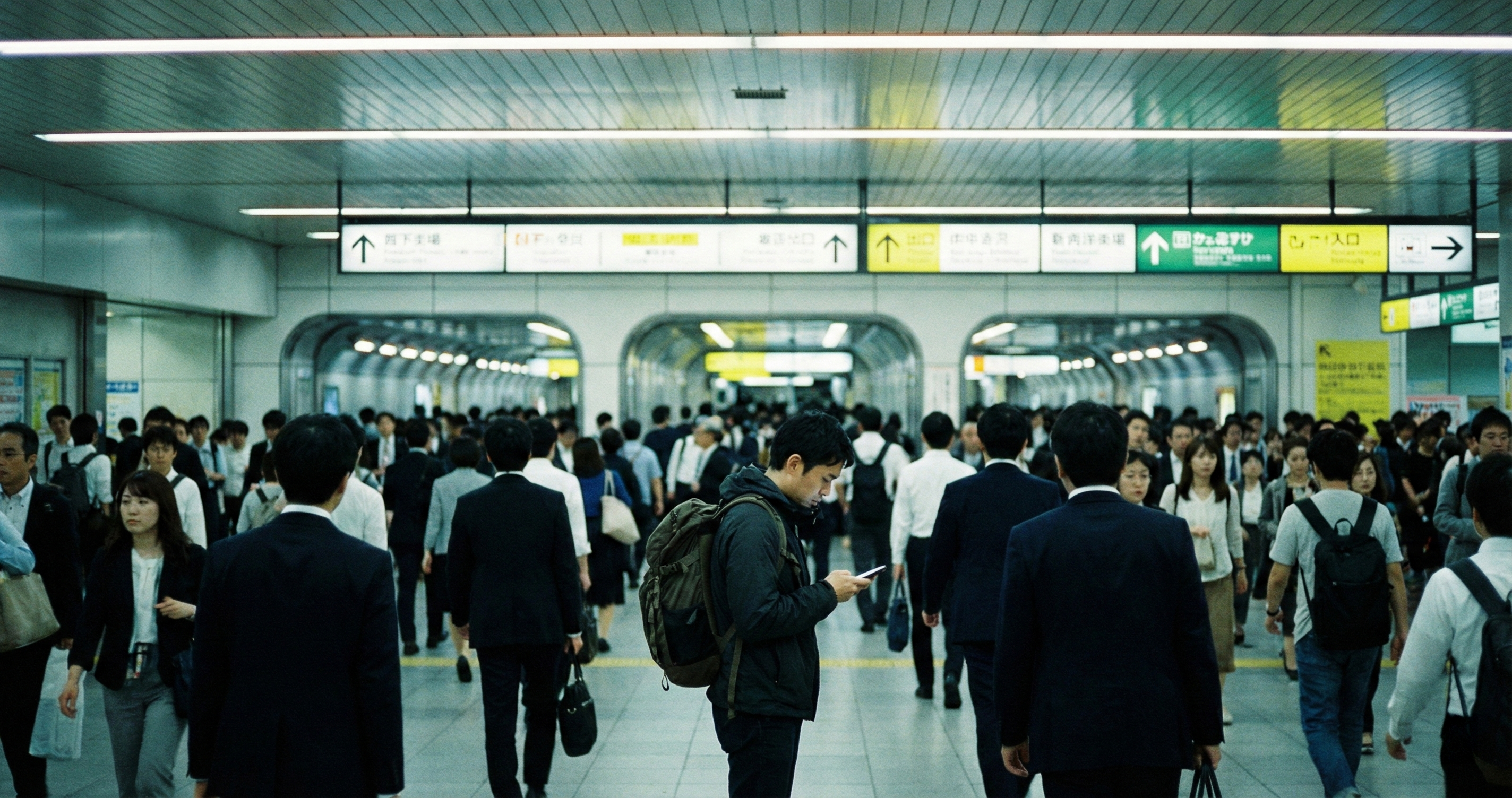
Japan-specific AI capabilities that matter:
- Station-level precision: The AI specifies "Asakusa Station on the Ginza Line (Exit 1)" versus just "Asakusa Station," preventing the "lost in the station" experience.
- Rush hour awareness: It knows that planning anything involving Shinjuku, Tokyo, or Shibuya stations between 7-9am or 5-7pm means genuinely packed trains. The AI routes around rush hour or suggests women-only car locations.
- Crowd forecasting: The AI schedules crowd-sensitive locations (major temples, Instagram spots) during optimal windows—typically early morning or late afternoon—while filling midday with less crowd-sensitive activities.
- Seasonal intelligence: Unlike generic planners, Gappy integrates current-year bloom forecasts for cherry blossoms and autumn foliage to optimize your visit timing based on actual conditions, not just historical averages.
- Real distance understanding: It builds realistic day structures accounting for actual door-to-door times (hotel to station, platform walks, train duration) rather than just station-to-station estimates.
What You'll Get: Sample AI-Generated Japan Itinerary
Gappy's AI outputs complete multi-day itineraries with specific station names, platform guidance, walking times, timing windows, crowd predictions, restaurant suggestions with backups, weather alternatives, and budget tracking.
Below is a sample Day 1 excerpt showing the level of detail:
Day 1: Traditional Tokyo (Asakusa, Ueno, Akihabara)
9:00am - Depart Hotel (Shinjuku)
- Take JR Chuo Line (Rapid) from Shinjuku Station (Platform 9-10)
- Transfer at Kanda Station to Ginza Line (5-minute walk Platform 3)
- Total travel time: 35 minutes
- Arrive: Asakusa Station (Ginza Line, Exit 1)
9:40am - Sensoji Temple & Nakamise Street
- Exit 1 leads directly to Kaminarimon Gate (1-minute walk)
- Crowd prediction: Light (early morning advantage)
- Timing: 60-90 minutes exploring temple grounds + shopping street
11:30am - Lunch in Asakusa
- Primary: Daikokuya Tempura (expect 20-30 min wait)
- Backup: Asakusa Imahan (sukiyaki, reservations accepted)
1:15pm - Ueno Park Cherry Blossoms
- Note: Seasonal peak estimated Apr 1-10.
- Crowd prediction: Moderate (weekday afternoon)
- Alternative if rain: Tokyo National Museum
Real-Time Adjustments: AI That Travels With You
Unlike static itineraries that become outdated the moment plans change, Gappy's AI continues functioning throughout your Japan trip through a conversational chat interface. It adjusts recommendations when weather shifts, energy levels drop, spontaneous interests emerge, or transportation delays disrupt your original schedule.
The pre-trip planning generates your initial itinerary, but the real differentiation happens when you're standing in Shibuya at 2pm, exhausted from morning temple visits, facing unexpected rain, and needing to re-plan your afternoon—generic itineraries offer no help at this moment, but Gappy's AI becomes your on-the-ground decision assistant.

Real-world scenarios where real-time AI helps:
- Weather disruptions: "It's raining heavily, what indoor alternatives near Harajuku work for the next 3 hours?"
- Energy level adjustments: "I'm too tired for tonight's plan, suggest relaxed dinner options near my Shinjuku hotel with minimal walking."
- Spontaneous discoveries: "I want to spend 2 more hours in Nakameguro, how does this affect tonight's plans and can you adjust?"
- Crowd or queue issues: "TeamLab wait is too long, what can I visit nearby instead and still make my 7pm dinner?"
Start building your personalized Japan itinerary—takes just 60 seconds →
Next Steps
- Take the 60-second quiz to generate your Japan itinerary. Click the button above to input your travel dates, interests, pace preference, budget range, and any mobility considerations.
- Review and refine your AI-generated plan. Use the conversational AI to request modifications—adjust pacing, rebalance activity types, or change neighborhoods.
- Save and access your itinerary during your trip. Use the AI chat interface while traveling to make real-time adjustments when weather, energy, or crowds change your needs.
Frequently Asked Questions
What is the best AI trip planner for Japan? Gappy specializes exclusively in Japan travel with AI trained on train station navigation, crowd patterns, seasonal timing, and real-time decision support. Unlike generic AI planners, the system handles Japan-specific complexity including exact station exits, rush hour avoidance, women-only train cars, and crowd forecasting.
How does an AI travel planner work? AI travel planners collect your trip parameters through questions about dates, interests, and budget, then process these against databases of destinations and transport logistics. Gappy's AI specifically integrates Japan's complex train network and station-level navigation to create actionable day-by-day plans.
Is an AI itinerary accurate for Japan? Gappy's AI-generated Japan itineraries include verified station names, actual train lines, and current operating hours. The accuracy advantage comes from Japan-specific training on transport complexity and crowd patterns. Real-time adjustment capability during your trip maintains accuracy as conditions change on the ground.
Can AI plan a complete Japan trip? Yes, AI can generate complete multi-day itineraries including transport routes, accommodation suggestions, and budget tracking. Gappy's AI specifically handles Japan's complexity—train station navigation, rush hour avoidance, and geographic optimization—providing a solid foundation that you can refine conversationally.
Do I need an app for AI travel planning? No, Gappy's AI travel planner works via web browser on both desktop and mobile without requiring app downloads. Take the quiz and access your itinerary through any web browser, ensuring compatibility across all devices without storage consumption.
How much does an AI travel planner cost? Gappy's AI trip planner quiz and basic itinerary generation are free. Advanced features like unlimited modifications or real-time adjustment assistance during your trip may require a subscription. The free tier provides substantial value for DIY planners wanting expert-level guidance.
What makes Gappy's AI different from ChatGPT for travel planning? Gappy's AI trains specifically on Japan travel with specialized data about train stations, crowd patterns, seasonal timing, and operational details that general AI like ChatGPT lacks. Gappy outputs actionable itineraries with exact station exits and realistic timing, whereas ChatGPT often provides generic advice without logistical integration.
Tags
Written by